Get a Quote
Drop Us A Line

An electrical home inspection is one of the most consequential preventive measures a property manager can schedule. Hidden wiring faults rarely announce themselves before causing serious operational disruption, and by the time visible symptoms appear, the underlying problem has often progressed significantly.
Routine safety audits identify hazardous code violations before they escalate into catastrophic failures, protecting both occupants and the property itself. Professional evaluations also ensure continuous compliance with applicable electrical regulations, which directly affects insurance eligibility and liability exposure.
Neglected wiring systems create compounding risk over time. Insurers frequently deny claims when post-incident investigations reveal unaddressed code violations, leaving property owners with substantial financial exposure. An electrical home inspection uncovers outdated components, including aging panels and deteriorated conductors, that can compromise the building’s overall integrity.
Proactive hazard identification prevents unexpected downtime and considerably reduces emergency repair costs. Scheduling regular inspections is widely recognized as best practice among property managers who prioritize long-term asset protection over reactive maintenance.
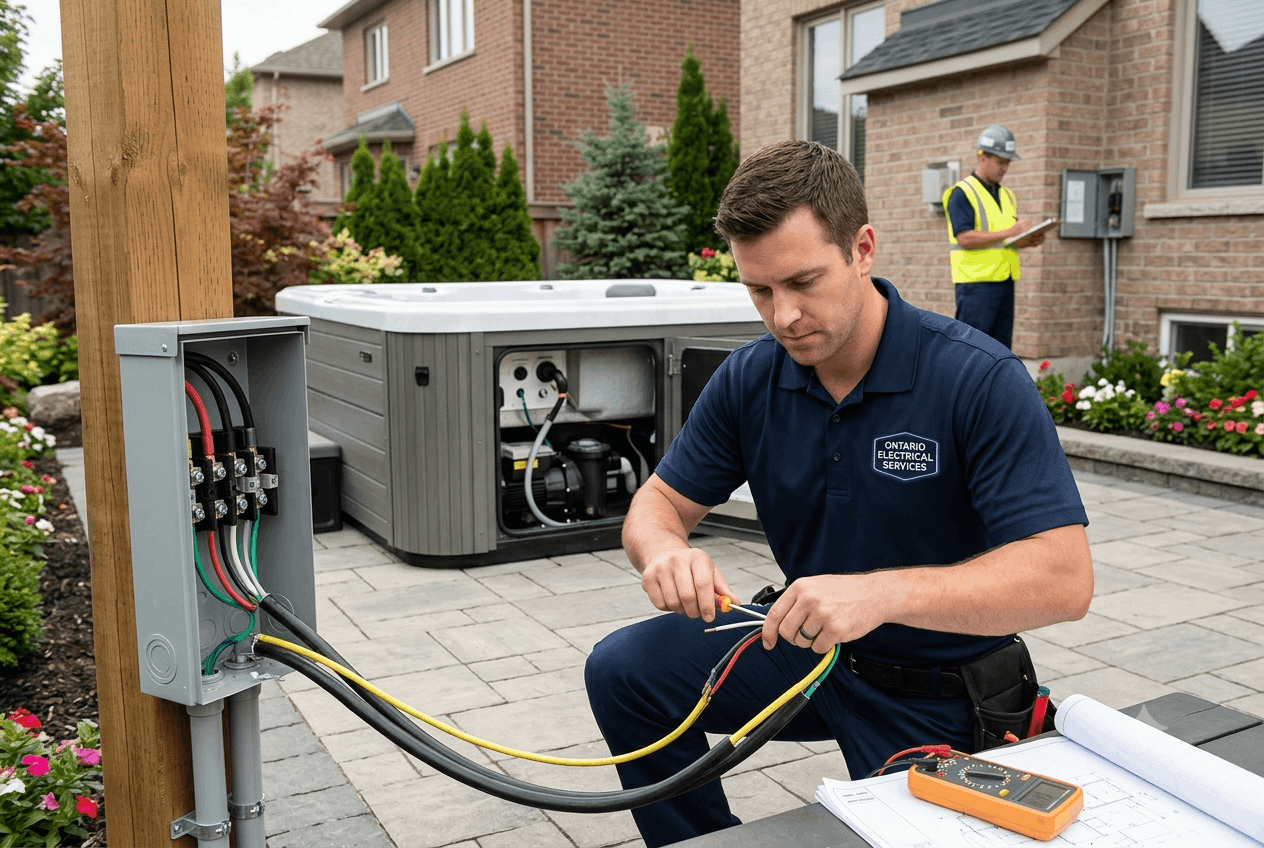
A commercial electrical inspection requires diagnostic techniques suited to the demands of heavy equipment loads and complex distribution systems. Advanced thermal imaging is among the most effective tools available, detecting hidden hotspots within panels and conductors without interrupting daily operations. Assessors also verify proper grounding and bonding throughout the facility, which protects sensitive operational infrastructure from voltage surges and fault currents. Licensed electricians performing commercial inspections bring the technical depth needed to evaluate service capacity, including systems operating at higher voltage tiers such as those found in industrial and multi-unit commercial environments.
Balanced load distribution is a foundational concern in commercial properties. Chronic overloading of individual circuits generates heat that degrades insulation and materially shortens equipment lifespan. Power quality assessments identify harmonic disturbances and voltage irregularities that affect sensitive facility management equipment. Consistent monitoring of load distribution extends the operational reliability of critical systems and supports energy efficiency by reducing unnecessary electrical losses across the distribution network.
The inspection begins with a comprehensive visual assessment of the property. During this stage, electricians review how the home is currently being used, identify major electrical loads, and examine visible wiring, outlets, switches, and electrical equipment. This walkthrough provides an overview of the electrical system and helps identify areas that may require further evaluation.
Technicians then inspect the electrical service entrance, meter connections, grounding system, and distribution panels. Breakers, fuse panels, and branch circuits are evaluated for signs of wear, overheating, corrosion, improper modifications, or outdated components. Particular attention is given to older homes that may contain aluminum wiring, knob and tube wiring, or obsolete electrical equipment that no longer meets current safety expectations.
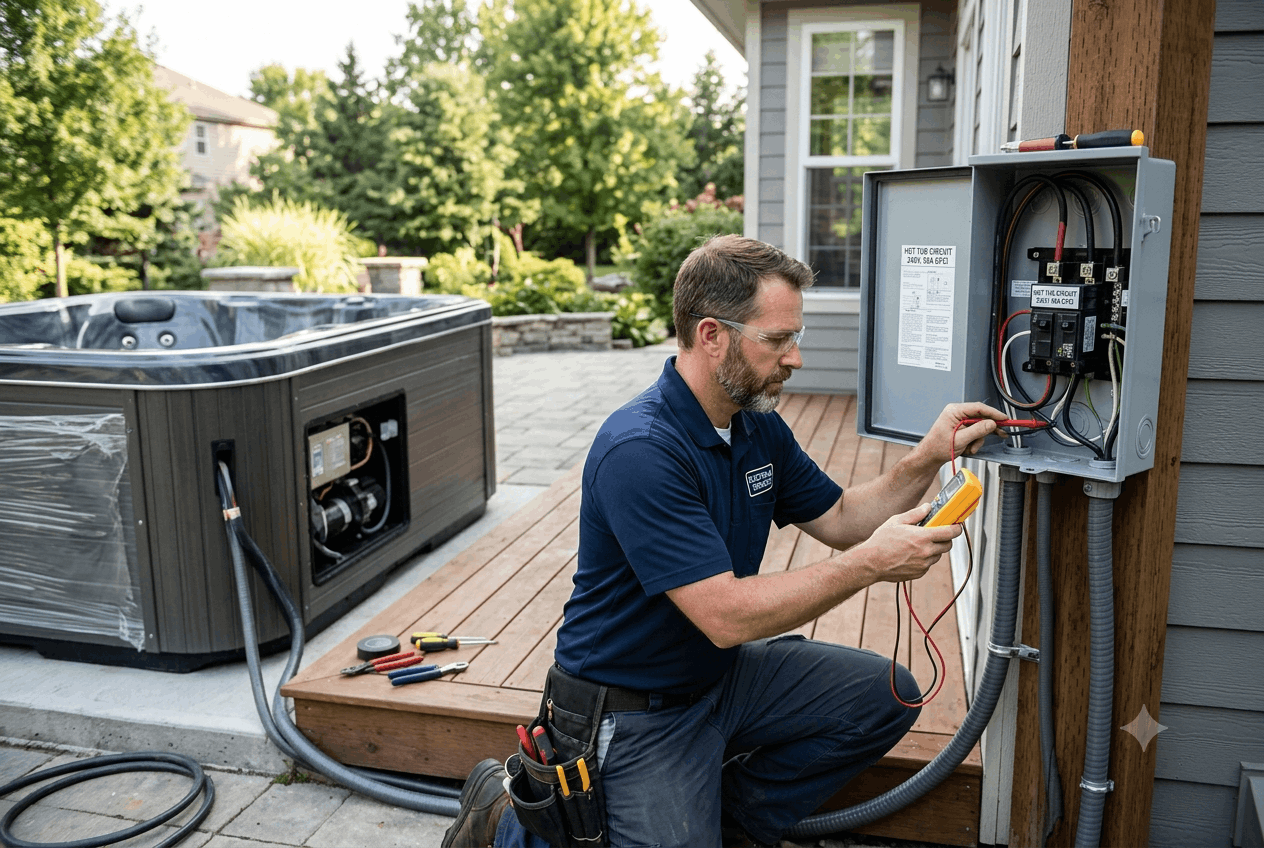
A critical part of the inspection involves testing electrical safety devices throughout the home. Ground Fault Circuit Interrupters (GFCIs) and Arc Fault Circuit Interrupters (AFCIs) are checked to ensure they operate correctly and provide the protection they were designed to deliver. These devices help reduce the risk of electrical shock, equipment damage, and fire hazards caused by electrical faults.
The home’s electrical demand is compared against the capacity of the installed system. Electricians evaluate whether existing circuits can safely support current appliances, HVAC equipment, entertainment systems, and other electrical loads. This process helps identify overloaded breakers, undersized conductors, improperly shared circuits, and areas where future upgrades may be required.
Where accessible, electricians inspect attics, basements, crawl spaces, garages, and utility rooms. These areas often reveal hidden issues such as exposed conductors, improper junction box installations, deteriorated wiring insulation, or evidence of previous unlicensed electrical work. Examining these locations provides a more complete understanding of the property’s overall electrical condition.
Once the physical inspection is complete, all findings are documented and reviewed. Any identified safety concerns, code violations, aging components, or performance issues are recorded along with supporting photographs and observations. Each deficiency is categorized by severity and potential impact on the electrical system.
The final stage of the electrical home inspection is the preparation of a detailed report. This report outlines all identified issues, assigns priority levels to recommended repairs, and guides corrective actions. Homeowners receive a clear overview of immediate safety concerns, maintenance recommendations, and potential upgrades that may improve system reliability and code compliance.
A professional home electrical inspection follows a systematic process to evaluate every major component of the electrical system. By assessing wiring, panels, safety devices, load capacity, and code compliance, electricians can identify risks before they become serious problems. This structured approach helps homeowners make informed decisions regarding repairs, renovations, insurance requirements, and long-term electrical system planning.
Older properties present distinct challenges during residential electrical inspections. Obsolete wiring materials found in aging buildings require careful evaluation and, where appropriate, targeted mitigation strategies rather than blanket replacement. Thorough inspections clarify how specific system upgrades affect insurance eligibility, a practical concern during property transfers or refinancings. Clear documentation of corrected defects provides verifiable proof of compliance that carries meaningful weight in real estate transactions and regulatory reviews. For properties with aluminum branch circuit wiring, a balanced assessment of remediation options supports informed decision-making without unnecessary alarm.
Property managers should review applicable local electrical codes to understand their ongoing maintenance and inspection obligations. Establishing a continuous relationship with a licensed electrical contractor provides consistent oversight rather than isolated point-in-time assessments. Canadian Wire Wizards is a licensed electrical contracting company serving the GTA since 2018. Canadian Wire Wizards provides authoritative guidance to ensure full operational compliance, supporting property managers at every stage of the electrical home inspection and remediation process. For more details, contact us today!