Get a Quote
Drop Us A Line

Plugging an electric vehicle into a standard household outlet is one of the most common and costly mistakes GTA homeowners make after purchasing an EV. The charging rate is painfully slow, the circuit is not designed for sustained high-draw loads, and the risk of tripped breakers or overheated wiring is real. Getting electric car charger installation right from the start protects your vehicle, your home, and your insurance coverage.
EV adoption across Toronto, Scarborough, Mississauga, and surrounding communities has accelerated sharply. Demand for dedicated charging infrastructure has followed, and the gap between what a standard outlet delivers and what modern EVs require has never been more consequential for homeowners.
Yes—EV charger installations in Ontario generally require an electrical permit/notification and inspection through the Electrical Safety Authority (ESA) to confirm the work meets safety code requirements. Many homeowners have the licensed electrical contractor handle the permit/ESA notification as part of the job.
In the Toronto-area market, a typical residential Level 2 EV charger installation is often quoted in the low thousands, depending on wiring distance, panel capacity, and whether upgrades are needed. Costs may increase if a panel/service upgrade or a long conduit run is required.
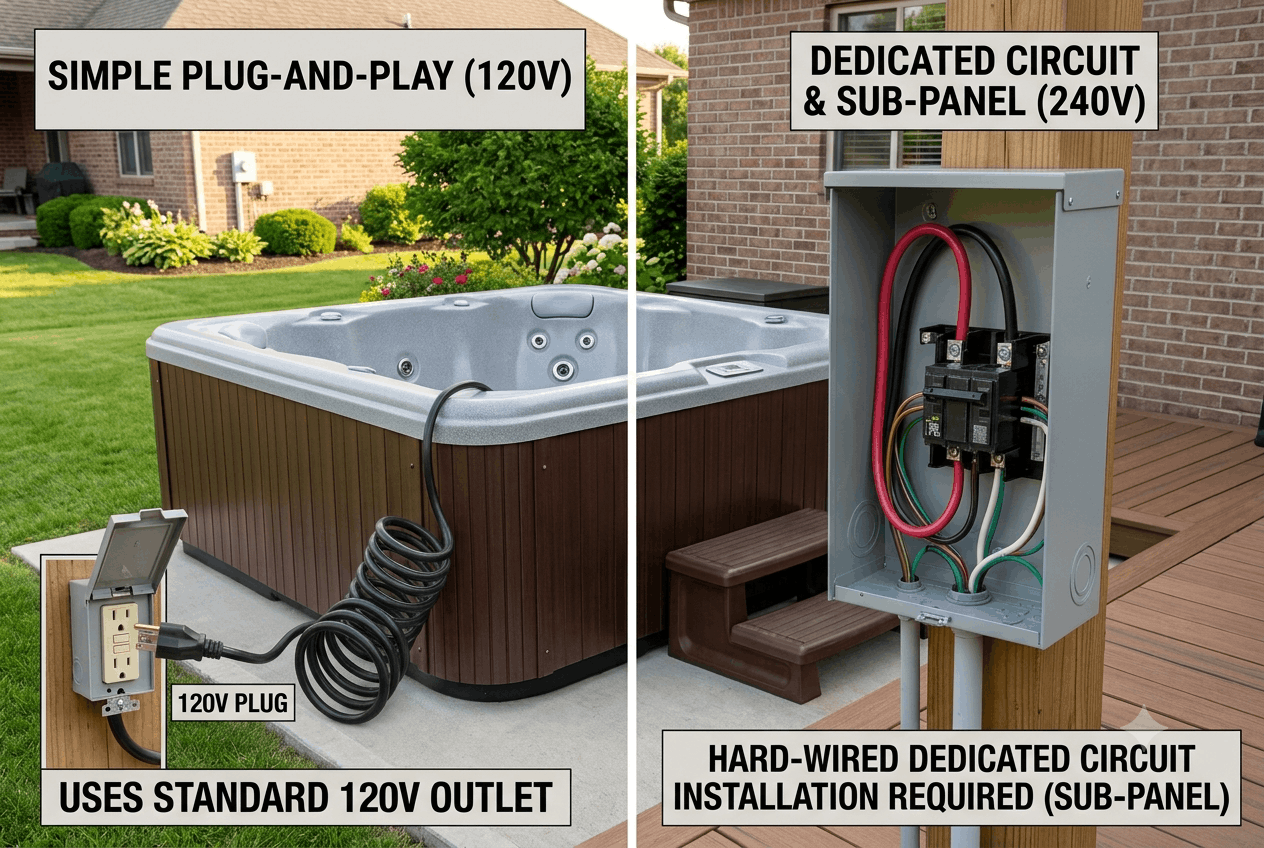
Level 1 charging uses a standard 120V outlet and is the slowest option, while Level 2 uses a 240V circuit and charges significantly faster. Level 2 usually requires dedicated electrical work (and is the common choice for faster home charging).
A standard outlet operates on a low-voltage, low-amperage circuit designed for small appliances, not sustained vehicle charging. A dedicated Level Two charging circuit operates at a substantially higher voltage. It delivers meaningfully faster replenishment, often completing an overnight charge in a fraction of the time a standard outlet requires. For daily commuters in North York or Vaughan, that difference is operationally significant.
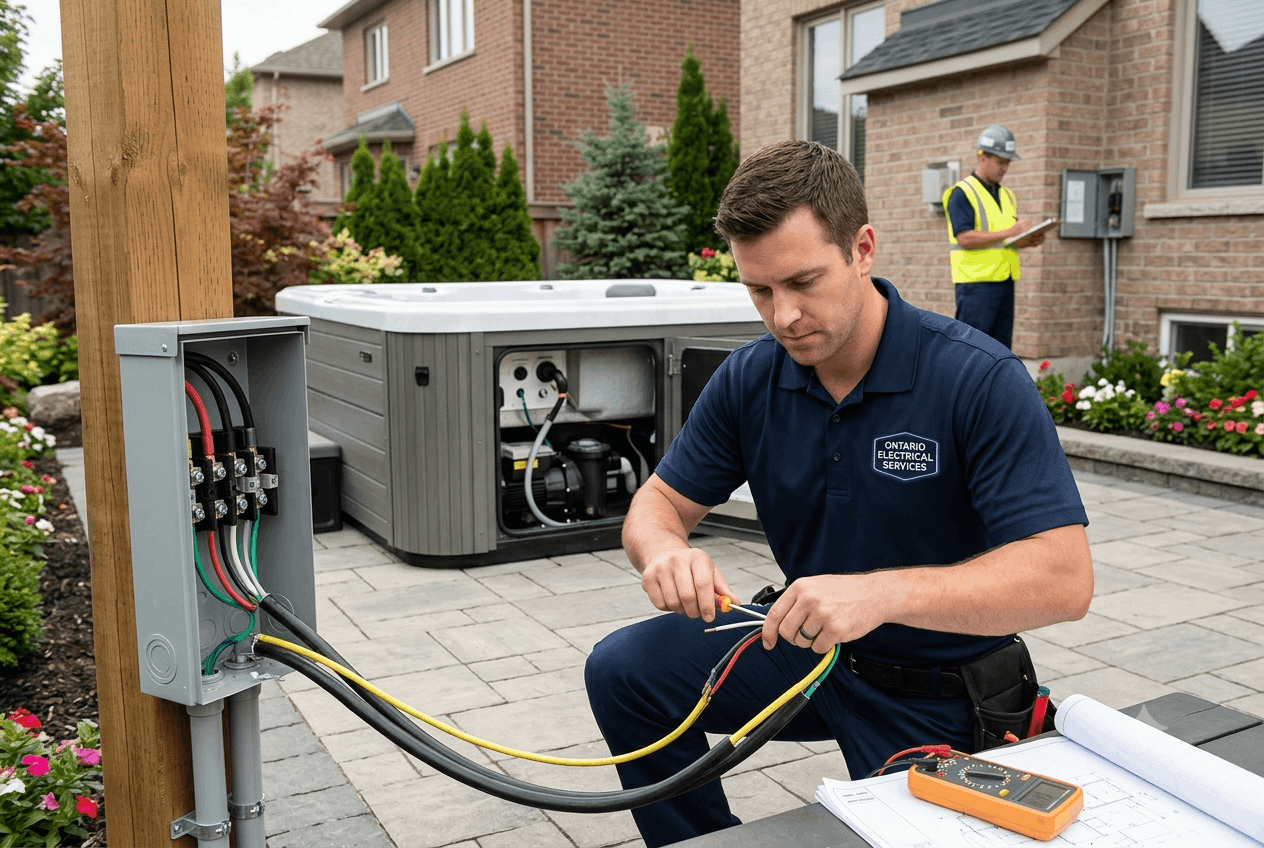
The Electrical Safety Authority mandates permits for all new dedicated circuits in Ontario, including EV charger installations. Unpermitted work creates liability exposure, voids homeowner insurance in many cases, and can trigger costly remediation orders during property sales. Older properties in East York and Richmond Hill often have legacy wiring that cannot safely handle the sustained load of a charging circuit without a licensed assessment first.
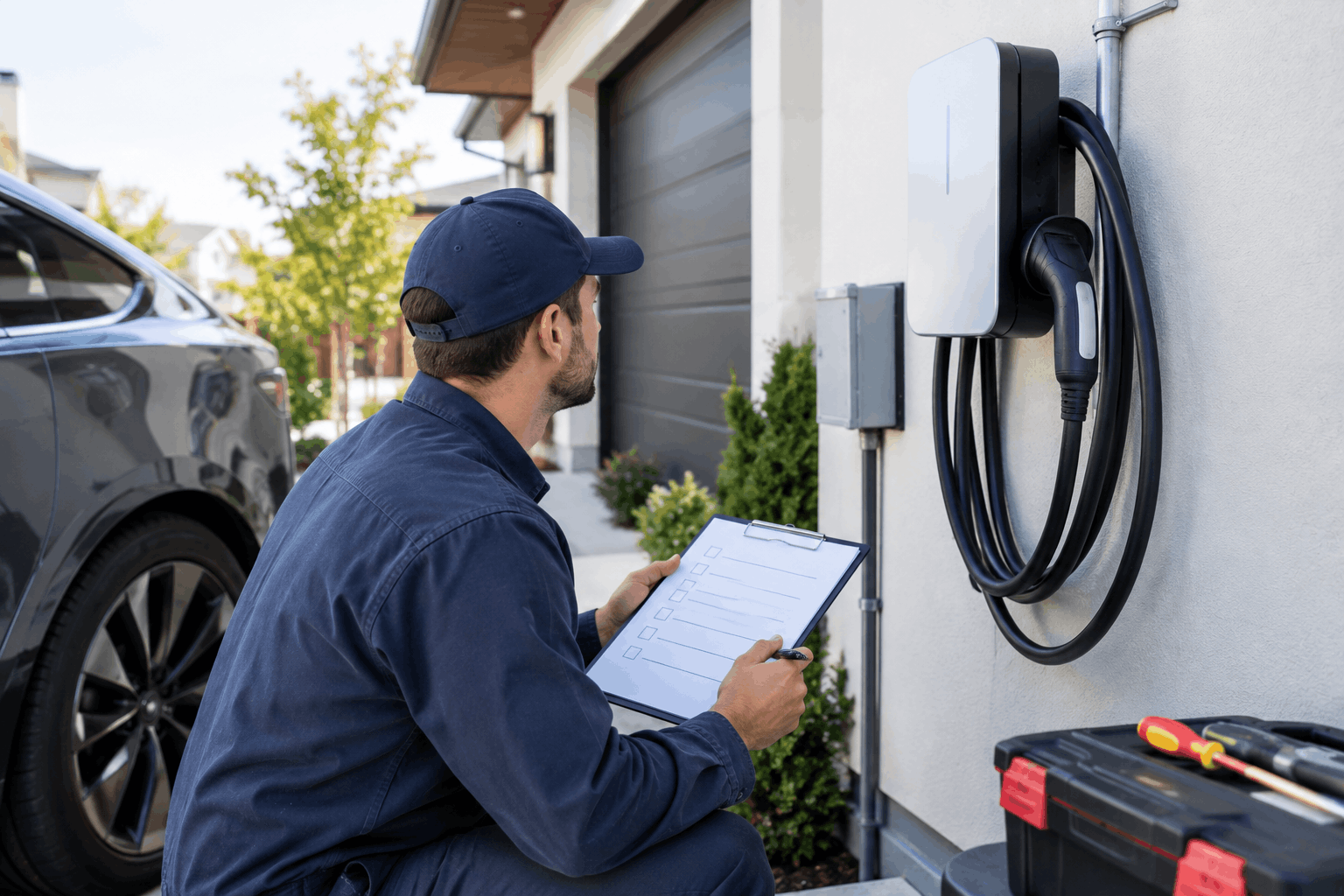
Competent EV charging station contractors do not simply mount a charger and energize the circuit. They begin with a structured evaluation of your existing electrical infrastructure because the charger is only as reliable as the panel and wiring that support it.
Many homes built before the late twentieth century in Toronto and Markham carry panels sized for appliance loads that predate modern EV demands. A licensed contractor performs a load calculation to determine available capacity and identifies whether load management devices can distribute demand intelligently, avoiding a full panel upgrade in many cases. A substantial share of GTA homes assessed by experienced contractors requires at least minor infrastructure updates before a Level Two charger can be safely commissioned.
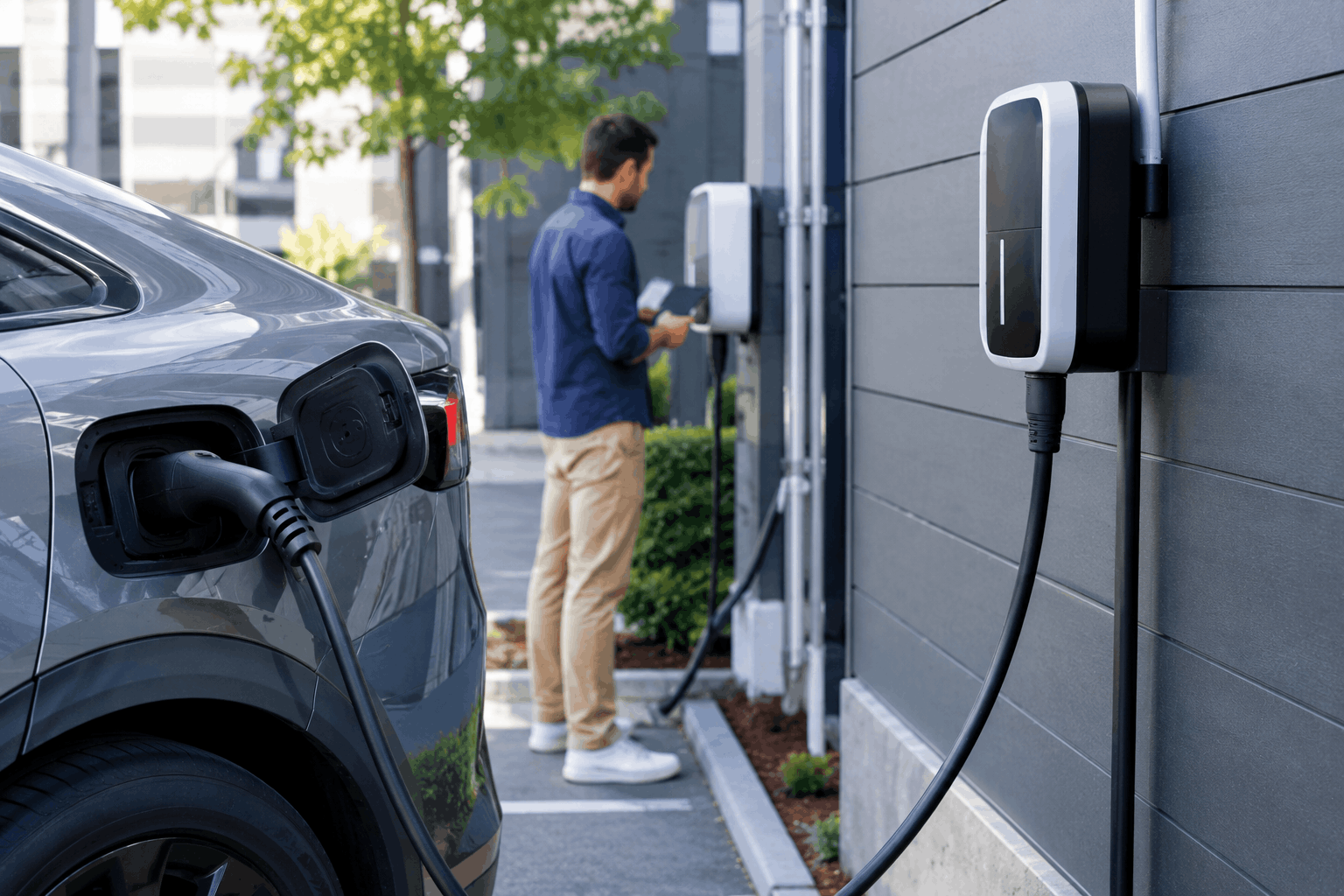
Not all EV chargers are interchangeable. The dominant connector standard in North America covers most current models, but compatibility must be confirmed for your specific vehicle. Outdoor installations in Ajax, Aurora, or Scarborough require weatherproof enclosures and hardware rated for Canadian climate extremes. For a deeper breakdown of charger hardware compatibility, see our guide on EV charging equipment selection. Request a home power assessment from Canadian Wire Wizards to confirm the right unit for your setup.
A properly executed electric car charger installation follows a defined sequence. Skipping any step, particularly permitting, introduces safety and legal risk that compounds over the life of the asset.
Permitted installations consistently demonstrate materially better safety outcomes than unpermitted work, a pattern well documented in ESA enforcement records across the province.
Wall mounting requires secure fastening to structural framing, not drywall alone. Waterproof strain relief fittings protect the cable entry point from moisture ingress, which is critical for outdoor installations in Toronto’s freeze-thaw climate. Internal current-limiter configurations allow the charger to operate within the panel’s available headroom, and smart charger firmware can be programmed to draw power during off-peak utility-rate windows, reducing operating costs over the charger’s service life.
Condominium and strata properties introduce a governance layer that detached homeowners do not face. In Toronto and Mississauga high-rise communities, the path from decision to energized charger runs through the condominium board, and that process has specific legal and procedural requirements.
Ontario’s Condominium Act establishes owner rights to request modifications to common elements, but boards retain authority to set conditions and require professional assessments. Projects that exceed a defined budget threshold relative to the corporation’s reserve fund trigger formal approval processes. Property managers routinely require structural and electrical safety risk assessments before granting consent, particularly where shared electrical rooms or common corridors are involved.
Licensed electricians play a critical role beyond installation in strata contexts. Their signed reports and stamped drawings satisfy board requirements, demonstrate code compliance, and provide the documentation property managers need to approve work without assuming liability. Certified installations also protect long-term property values: units with compliant, documented EV charging access command meaningfully stronger buyer interest in competitive GTA resale markets.
The decision to move forward with EV charger installation in Toronto is straightforward once the technical and regulatory groundwork is understood. The remaining variables are financial incentives and contractor selection.
Ontario and certain utility providers offer financial incentives for certified EV charger installations, and eligibility typically requires that the work be performed by a licensed electrical contractor using approved equipment. Installations completed without permits or by uncertified individuals are disqualified from most programs. Cost drivers include panel capacity, circuit run length, hardware tier, and whether outdoor weatherproofing or load management devices are required. Canadian Wire Wizards provides transparent, itemized quotes so clients in Vaughan, Richmond Hill, and across the GTA understand exactly what they are paying for and why.
Canadian Wire Wizards is a licensed electrical contracting company serving the GTA, established in two thousand eighteen and owned and operated by Demetrois Alafogiannis, with over thirty-five years of combined experience. The team holds all required Ontario licensing and manages every project from initial permitting through ESA inspection and final commissioning. Residential services include EV charger installation, panel upgrades, electrical inspections, and more. Commercial clients receive service upgrades, commercial EV charging stations, and full power installations. Schedule your consultation and quote today to move from assessment to an energized, compliant charger without delay.