...

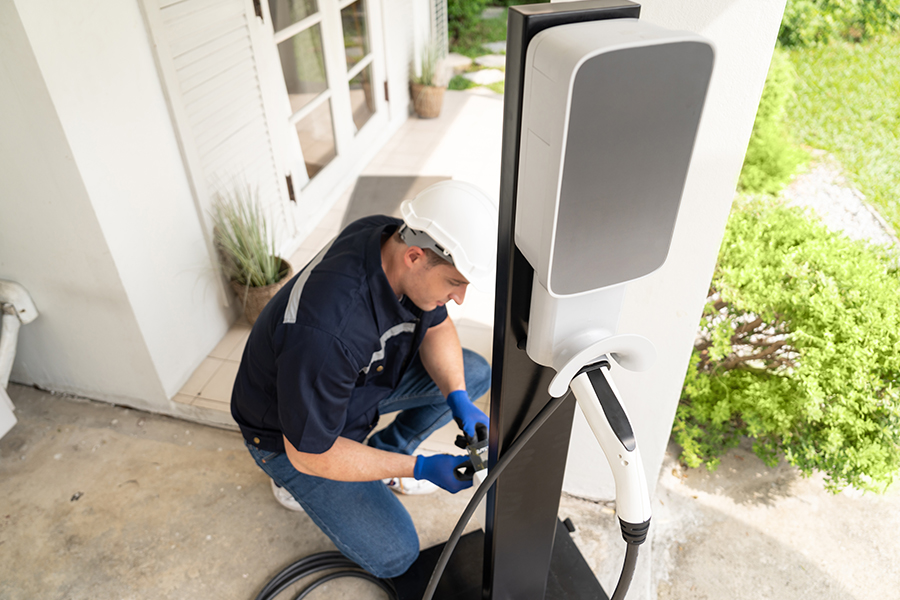
Electric vehicle (EV) ownership is growing rapidly across Toronto, but many homeowners discover that installing a charger at home isn’t as straightforward as it seems. Between panel capacity limits, permits, and installation logistics, several details can slow things down if not appropriately planned. Working with experienced EV charging station contractors ensures your setup is completed safely, efficiently, and in compliance with Ontario’s electrical standards.

Here’s how to prepare your home for EV charger installation in Toronto without unexpected delays or complications.

What Panel Capacity Is Needed for Home EV Chargers

Before installation, electricians first evaluate your home’s electrical panel to confirm it can handle the additional load.

  • 100-amp panels may be insufficient for Level 2 chargers, especially if the home already powers HVAC units or electric ranges.
  • 200-amp panels are ideal for most chargers, offering the capacity to support faster charging speeds and future expansion.

A detailed load calculation helps determine whether the panel needs upgrading or if a load management device can balance energy use without overloading the system.

Level 1 vs Level 2 Installations

EV chargers come in two main types:

  • Level 1 (120V): Plugs into a standard household outlet. Slower charging speeds are suitable for hybrid or light daily use.
  • Level 2 (240V): Requires a dedicated circuit and professional installation. Charges vehicles 3–5 times faster than Level 1.

Most homeowners in Toronto prefer Level 2 chargers for convenience, especially when using the vehicle for daily commuting. A professional installation ensures proper circuit protection and grounding for safety.

Placement Options and Wiring Routes

Choosing the correct charger location is crucial for both functionality and aesthetics. Common options include:

  • Garage wall mounts: Protect the charger from weather and keep cables organized.
  • Driveway installations: Requires weatherproof housing and conduit rated for outdoor use.
  • Side-wall or detached garage setups: May need extended wiring routes and trenching for safe cable runs.

Electricians assess the shortest, safest, and most cost-effective wiring path between the panel and the charging location, in accordance with the Ontario Electrical Safety Code (OESC).

Permit and Code Requirements in Toronto

Every electric car charger installation in Toronto requires an ESA (Electrical Safety Authority) permit before any work begins. The process typically includes:

  1. Site evaluation and load assessment.
  2. ESA permit application filed by the licensed contractor.
  3. Installation of the dedicated circuit, breaker, and wiring.
  4. Final inspection to confirm code compliance.

Homeowners should avoid unpermitted or DIY setups, as they may void insurance coverage or fail inspection upon property sale.

Choosing EV Charger Contractors in Ontario

When hiring EV charging station contractors, it’s essential to confirm the following:

  • They are ESA-licensed with an ECRA/ESA number.
  • They provide written quotes and timelines.
  • They handle permit filing and inspection scheduling.
  • They use CSA-approved materials and certified chargers.

Reputable contractors can verify charger compatibility with your specific vehicle model and recommend smart chargers to optimize energy use.

Rebates and Grant Programs for Homeowners

While Ontario no longer offers a provincial EV charger rebate, select federal and local programs may apply. Homeowners should monitor:

  • Natural Resources Canada (NRCan): For residential or workplace charger incentives.
  • Hydro One and Toronto Hydro: For periodic pilot programs promoting home charging.
  • Automaker offers: Some EV brands offer rebates or installation credits to buyers.

Additionally, charging during off-peak hours can significantly reduce electricity costs over time.

Best Electrician for EV Charger Installation Near Toronto: Canadian Wire Wizards

Canadian Wire Wizards provides end-to-end EV charger installation in Toronto, ensuring every installation meets ESA and OESC compliance requirements. Their licensed electricians assess load capacity, manage permits, and complete installations using high-quality materials designed for both indoor and outdoor environments.

The company specializes in seamless wiring routes, weatherproof conduit installations, and charger positioning that maximizes accessibility without clutter. Whether you’re installing a single-unit home charger or upgrading service capacity for multiple vehicles, Canadian Wire Wizards delivers efficient, fully documented, and code-compliant results.

For safe, certified, and efficient electric car charging station installation, contact Canadian Wire Wizards to schedule an on-site evaluation across Toronto and the GTA.

FAQs

Most installations are completed within one day, depending on wiring distance and permit approval.

Yes. All new circuits and 240V connections require an Electrical Safety Authority permit in Ontario.

Yes, but it must use weatherproof housing, outdoor-rated conduit, and proper grounding to prevent moisture intrusion.

Most chargers last between 8 and 10 years with proper installation and maintenance.

Common Issues Found During Commercial Electrical Inspections
Commercial buildings rely on complex electrical systems that must operate safely under high demand. An electrical home inspection or commercial review helps identify risks, code violations, and aging
How to Verify Licensed Electricians and Contractors in Mississauga
Hiring trusted electrical contractors is essential for safe, code-compliant work in both homes and commercial properties. Ontario’s electrical regulations are strict, and only licensed contractors
Electrical Contractors in Markham for Residential and Commercial Work
Property owners seeking reliable electricians in Markham often face a wide range of electrical needs—from upgrading panels in older homes to wiring new commercial spaces. Markham’s mix of
Cost of Hiring Residential Electrical Contractors in Ontario
Hiring residential electrical contractors in Ontario can involve a wide range of pricing, depending on the service type, project scope, and safety requirements. Electrical work is heavily regulated,
What Electrical Work Is Required for a Hot Tub Installation in Ontario
Installing a hot tub is a major upgrade for any Ontario home, but it also introduces significant electrical requirements that a licensed professional must handle. Every hot tub electrical
Understanding Electrical Repair Services for Homes and Small Businesses in Ontario
Electrical systems power every part of modern life, from lighting and HVAC to security and automation. Yet when something goes wrong, a quick fix isn’t always the right solution. The complexity of

What Our Customers Says

-->