...

Electrical demand in Ontario homes has changed significantly over the last two decades. Central air systems, EV chargers, heat pumps, finished basements, and home offices all place added pressure on the electrical infrastructure that was once considered sufficient. 

As a result, many homeowners are reassessing their panels and considering electrical panel upgrade services to better support modern living. Understanding how 100-amp and 200-amp panels differ helps determine which option aligns with current and future needs.

Why Homeowners Are Upgrading Electrical Panels

Older homes were designed for fewer appliances and lower overall consumption. What once worked reliably may now feel limiting as breakers trip more often or expansion becomes difficult. Upgrading is not about excess capacity—it’s about ensuring the system can safely distribute power without strain while remaining compliant with Ontario Electrical Safety Code (OESC) requirements.

What Electrical Panels Do

An electrical panel acts as the central distribution point for power entering the home. It performs several critical functions:

  • Directs electricity to individual circuits
  • Protects wiring and devices from overloads
  • Houses breakers that interrupt unsafe current flow
  • Allows safe expansion through additional circuits

Any residential electrical panel upgrade focuses on improving these core functions while aligning capacity with actual usage.

Key Differences Between 100 Amp and 200 Amp Panels

The difference between 100-amp and 200-amp service is not just numerical—it affects how a home can operate and grow.

A 100-amp panel typically supports:

  • Basic lighting and receptacles
  • Standard appliances
  • Limited expansion capacity

A 200-amp panel supports:

  • Larger HVAC systems
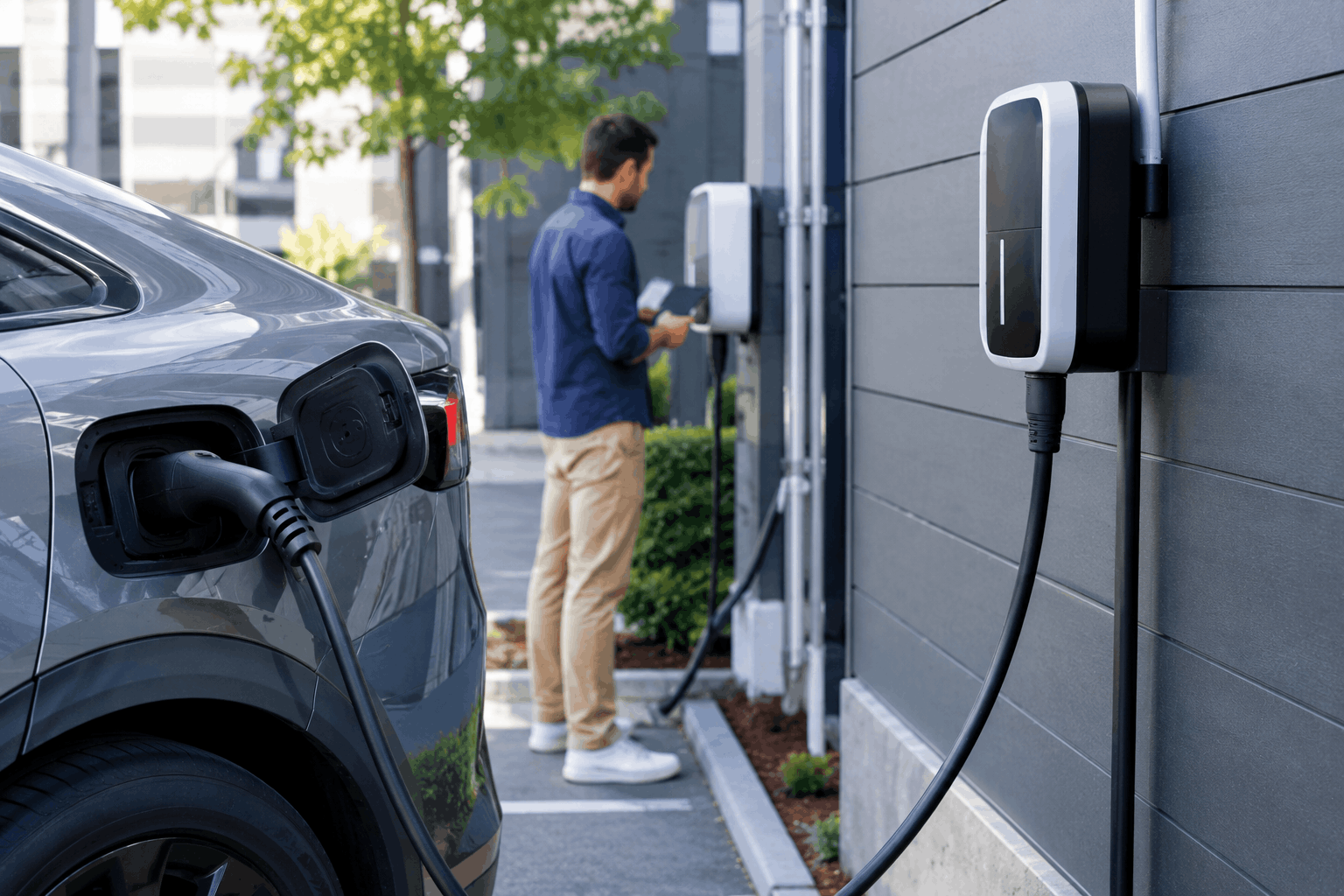
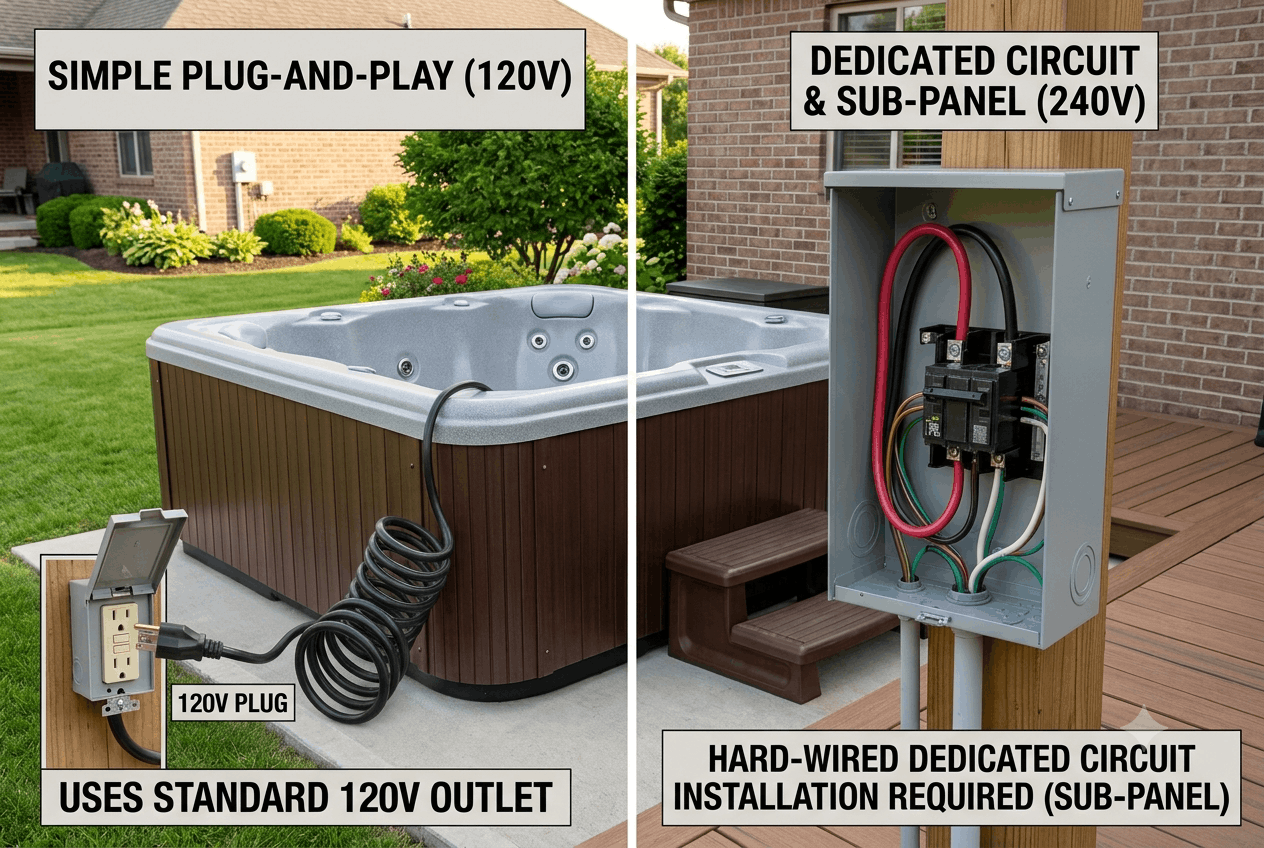
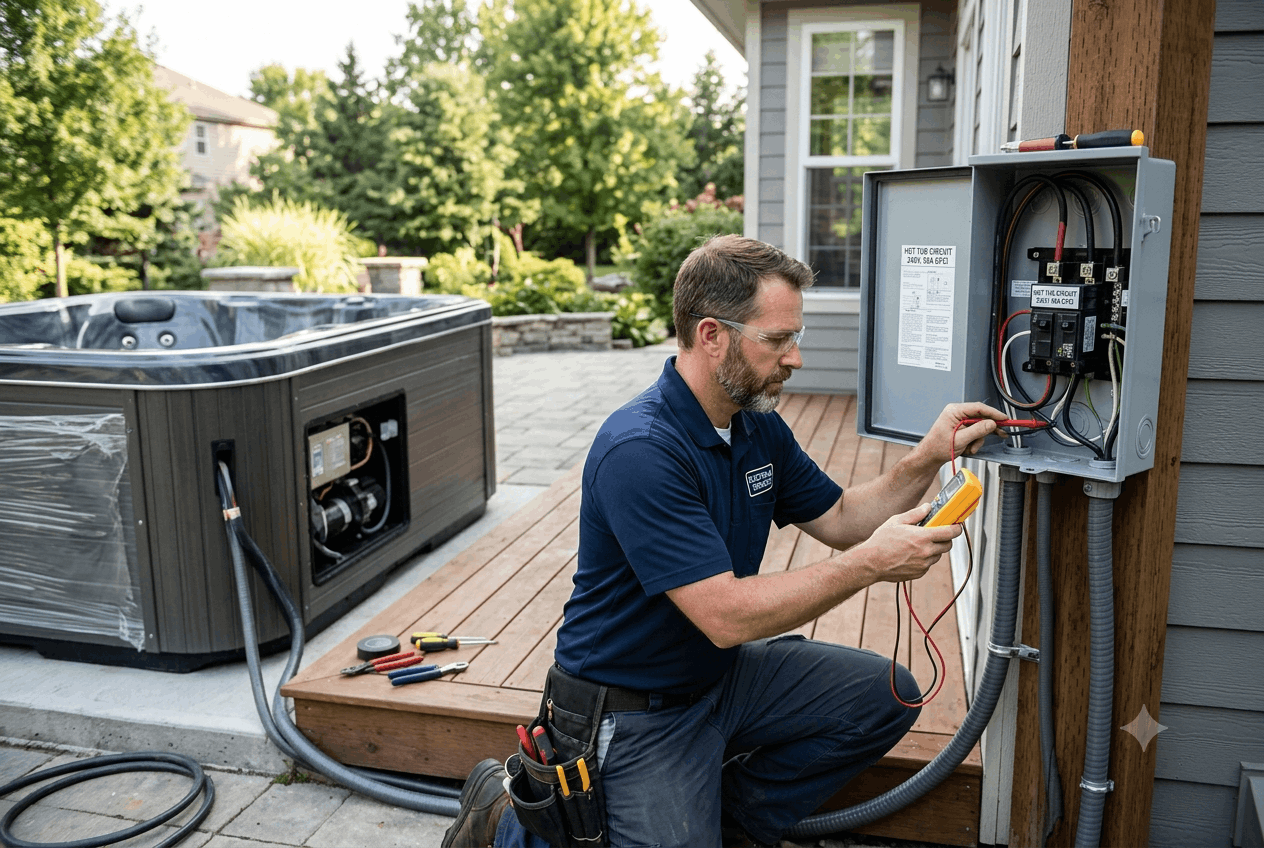
  • EV chargers and hot tubs
  • Finished basements or secondary suites
  • Multiple high-draw appliances operating simultaneously

For many modern households, the ability to upgrade electrical panel to 200 amps provides flexibility without overextending infrastructure.

When 200 Amp Is a Smart Upgrade

A 200-amp upgrade is often recommended when:

  • Renovations add square footage or major appliances
  • An EV charger or heat pump is planned
  • Breaker space is consistently maxed out
  • Load calculations show limited remaining capacity

In these cases, a residential electrical panel upgrade improves safety and usability rather than simply increasing capacity for its own sake.

Do You Need 400 Amp Service? Rare Cases

Some homeowners assume that if 200 amps is good, 400 amps must be better. In reality, 400-amp service is rarely required for standard residential properties. It is typically reserved for:

  • Large custom homes with extensive electrical systems
  • Properties with multiple EV chargers and electric heating
  • Homes with separate dwelling units sharing service

Most households can meet present and future needs comfortably with a well-planned 200-amp system.

Permit and Inspection Requirements in Ontario

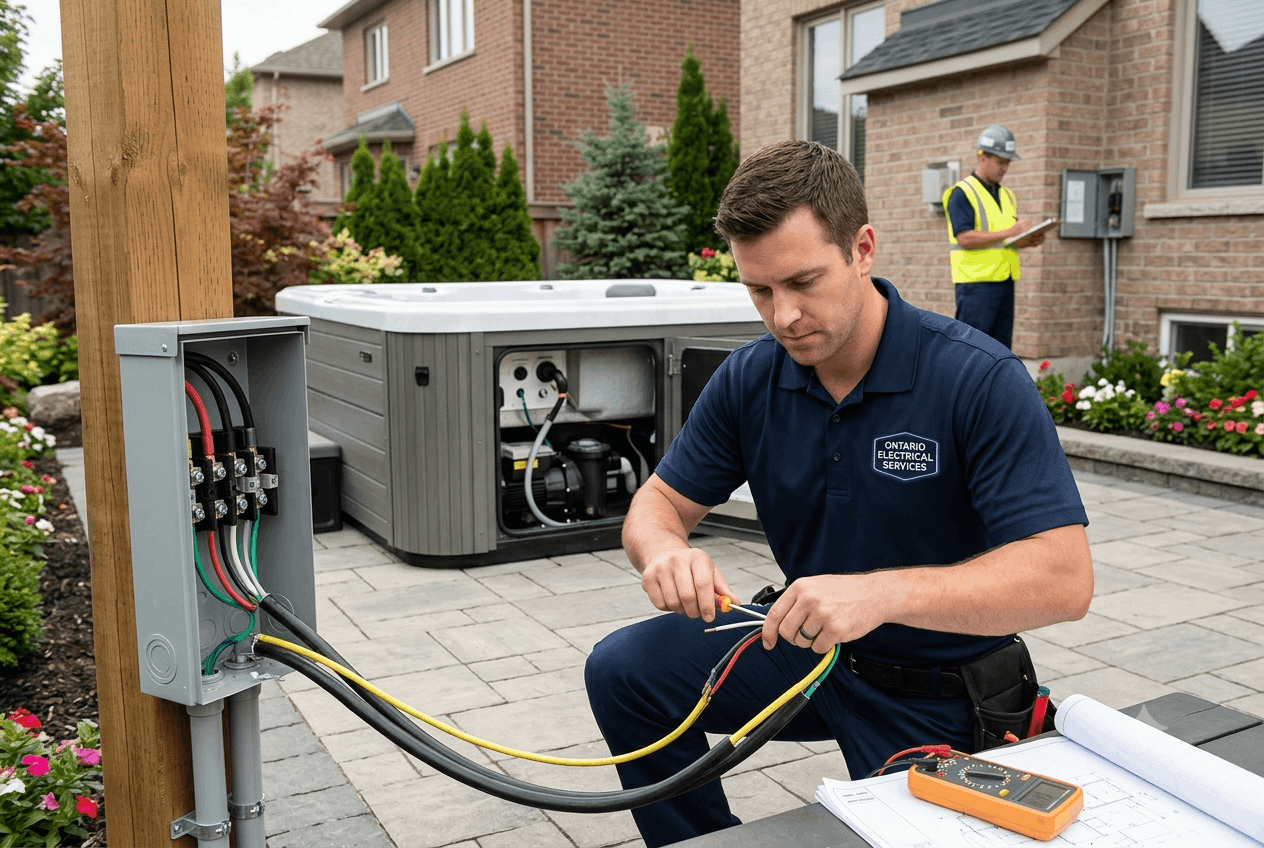
Panel upgrades require permits and inspections through the Electrical Safety Authority (ESA). Licensed contractors manage:

  • Load calculations
  • Permit submission
  • Safe installation and grounding
  • Inspection scheduling and approval

Any electrical panel installation completed without proper inspection may create issues during insurance reviews or resale.

Cost and Timeline Considerations

While timelines vary by property and service configuration, panel upgrades are structured projects. Factors that influence scope include:

  • Existing service size and condition
  • Utility coordination requirements
  • Panel location and accessibility
  • Grounding and bonding updates

Licensed electricians outline these considerations during assessment so homeowners can plan realistically.

Choosing the Panel That Matches Your Load

Choosing between 100-amp and 200-amp service comes down to actual electrical demand, not guesswork. A professional assessment ensures the system supports current usage while allowing room for growth. For homeowners planning upgrades, additions, or modern electrical features, electrical panel upgrade services provide clarity and compliance. To evaluate options and plan a safe electrical panel installation, contact Canadian Wire Wizards for a licensed assessment tailored to your home’s needs.

Author

Demetrois Alafogiannis

Demetrois Alafogiannis is an experienced electrical professional and entrepreneur with over 20 years of hands-on experience in residential and commercial electrical services. He is the President and Lead Electrician at Canadian Wire Wizards Inc., a Toronto-based electrical services company known for quality workmanship, safety, and ... Read More

What It Takes to Install a Home EV Charger That’s Future-Proof
Electric vehicle ownership is accelerating across Ontario, and home charging has quickly become a baseline expectation rather than a luxury. Installing a charger, however, is not just about meeting
A Complete Guide to Hot Tub Electrical Installation for Ontario Homes
Installing a hot tub is often planned around comfort and relaxation, but the electrical side of the project determines whether that experience is safe, reliable, and compliant. Hot tubs place a
How to Find a Licensed Electrician for a Home Electrical Inspection Near You
Electrical inspections play a critical role in protecting home safety, insurance eligibility, and long-term property value. In Ontario, inspections are not informal walkthroughs—they are regulated
Best Electrician for EV Charger Installation Near Toronto
Electric vehicle ownership continues to rise across the Greater Toronto Area, and with it comes the need for reliable home charging solutions. Installing an EV charger is not just a convenience
Best Companies in Toronto for Full Knob and Tube Wiring Removal and Replacement
Knob and tube (K&T) wiring remains present in many Toronto homes built before the 1950s. While these systems may still carry electricity, they were never designed for today’s power demands,
100 Amp vs 200 Amp Panels in Ontario Homes: Which One Do You Actually Need?
Electrical demand in Ontario homes has changed significantly over the last two decades. Central air systems, EV chargers, heat pumps, finished basements, and home offices all place added pressure on

What Our Customers Says

-->