Get a Quote
Drop Us A Line

Electric vehicle ownership is accelerating across Ontario, and home charging has quickly become a baseline expectation rather than a luxury. Installing a charger, however, is not just about meeting today’s needs—it’s about preparing a home for future electrical demand, new vehicle models, and evolving safety standards.
A well-planned home EV charger installation considers more than the charger itself and focuses on capacity, compliance, and long-term reliability. This guide explains what it takes to install a system that continues to perform as EV technology and household power use evolve.
Understanding the Impact of EV Charging Loads
Electric vehicle charging introduces a sustained electrical load that many homes were not originally designed to support. Unlike appliances that operate intermittently, EV chargers draw consistent power for extended periods—often overnight. This continuous demand places added stress on electrical panels, branch circuits, and service capacity, making early evaluation essential for safe operation.
Why Early Planning Prevents Electrical Limitations
Homes that install EV chargers without prior assessment often encounter capacity constraints later. These can include overloaded breakers, limited expansion options, or the need for corrective upgrades after installation. Planning early allows electrical systems to be evaluated and adjusted before charging begins, reducing the risk of rushed upgrades or temporary solutions.
Evaluating Existing Electrical Infrastructure
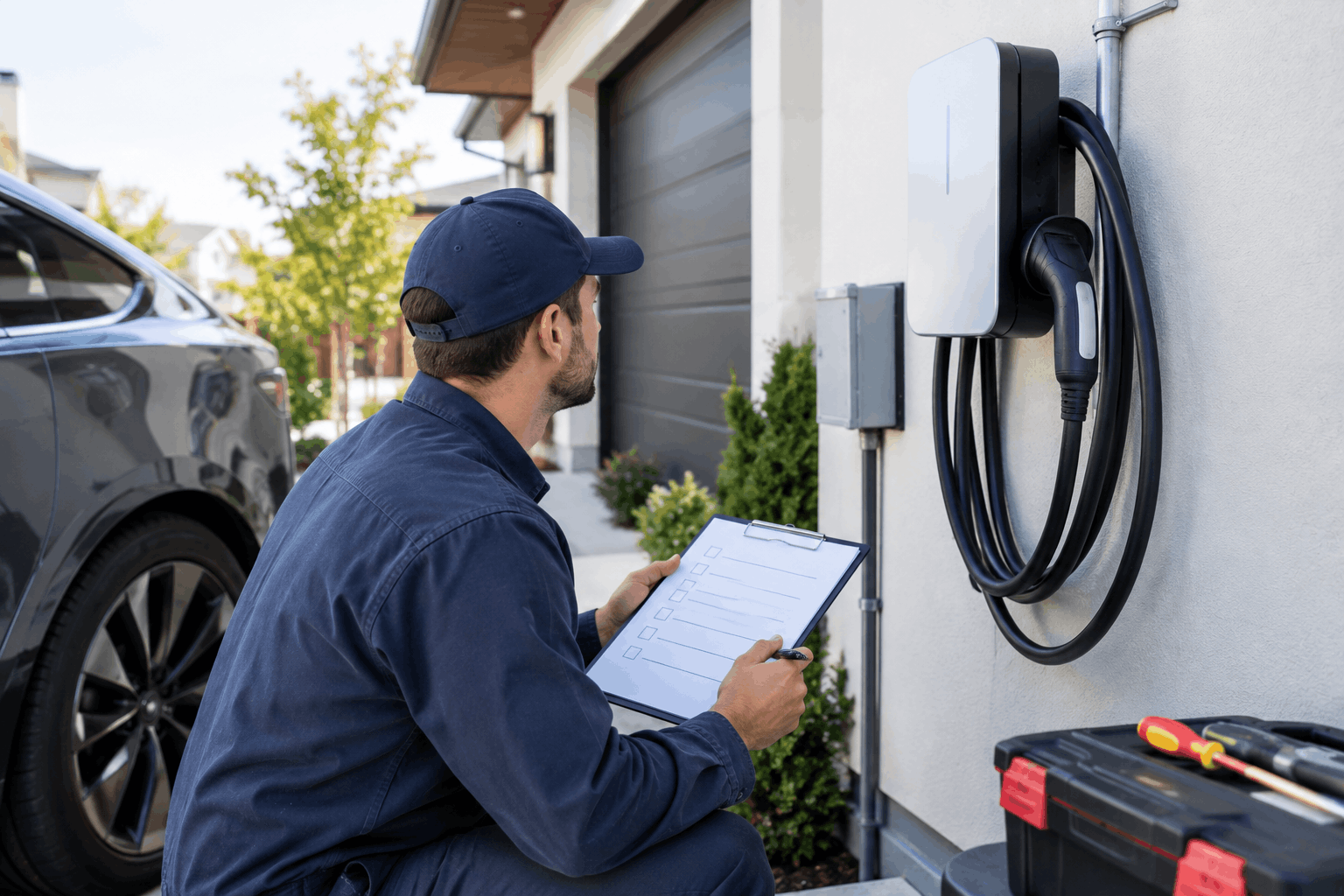
A future-ready residential EV charger installation starts with understanding how the current electrical infrastructure performs under load. This assessment typically reviews:
This evaluation establishes whether the system can safely support charging today.
Planning for Future Electrical Demand
Preparing a home for EV ownership also means looking beyond immediate needs. As homes adopt additional technologies—such as second EVs, heat pumps, battery storage, or expanded living spaces—electrical demand continues to increase. Designing charging infrastructure with future growth in mind helps avoid repeat electrical work and preserves system flexibility.
Role of Licensed Electricians in EV Readiness
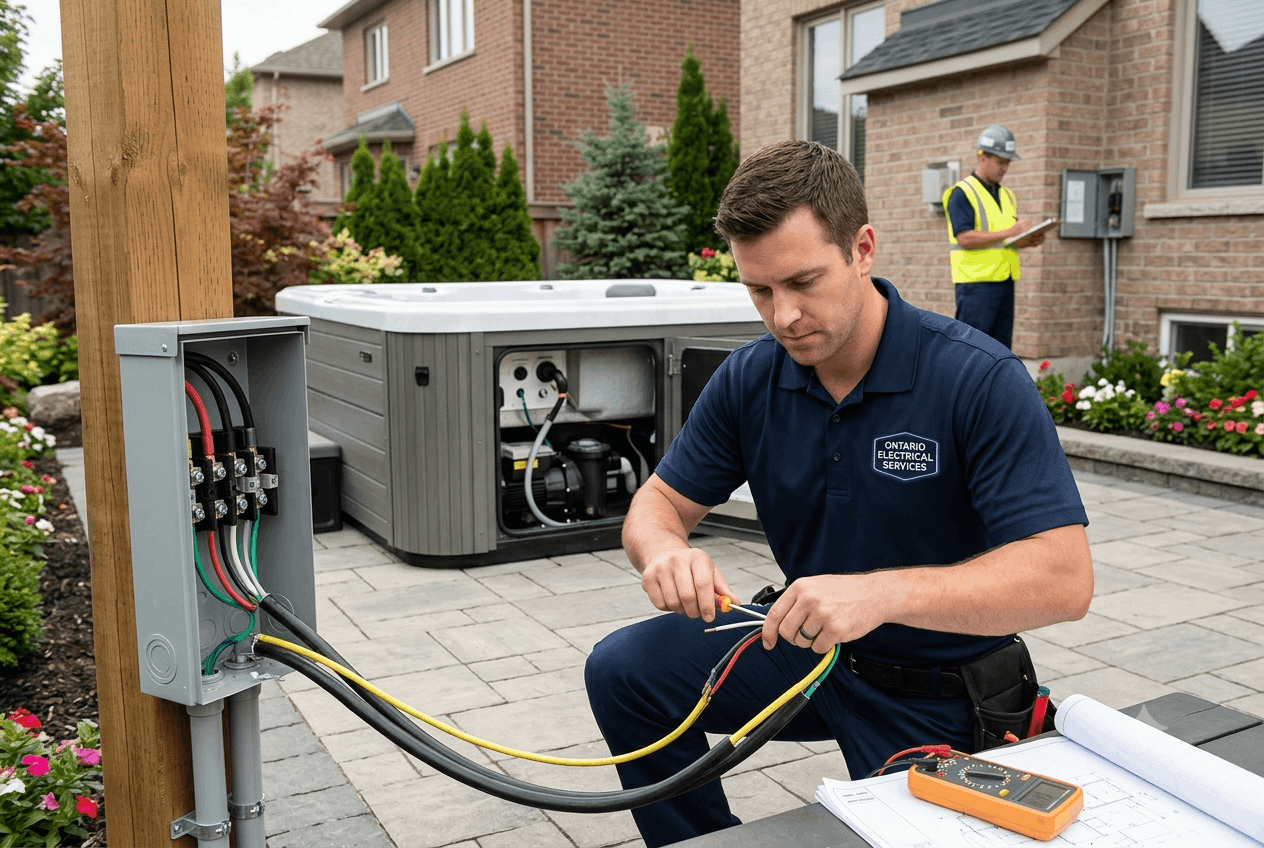
Licensed electricians use load calculations and system analysis to determine whether upgrades, subpanels, or load management solutions are required. Their role ensures EV charging integrates seamlessly with existing systems and meets Ontario Electrical Safety Code requirements.
Preparing a home for EV ownership is not solely about installing a charger. It is about ensuring the electrical system can support sustained use safely and reliably, with room to adapt as household needs evolve.
What makes an EV charger installation future-proof?
Sufficient panel capacity, proper wiring, adaptable mounting, and compliance with current electrical codes.
Do homes need panel upgrades for EV chargers?
Some do. A load assessment determines whether existing capacity can safely support charging.
Are permits required for installing a home EV charger in Ontario?
Yes. ESA permits, and inspections are required for EV charger wiring.
Can an EV charger be upgraded later without rewiring?
Future-ready wiring and conduit planning often make later charger upgrades easier and less disruptive.
Home EV chargers generally fall into two categories:
Level 1 (120V):
Level 2 (240V):
Most homeowners planning a durable EV home charger installation choose Level 2 chargers for their efficiency and compatibility with newer vehicles.
Panel capacity is one of the most critical factors in future-proofing. Many homes operate near their service limits once EV charging is added alongside HVAC systems, appliances, and home offices.
A licensed electrician evaluates:
In some cases, upgrades or load management solutions enable a home car charger installation without compromising safety or performance.
Future-proof installations consider both physical infrastructure and electrical capacity. This includes:
Careful planning ensures that replacing or upgrading the charger later does not require extensive rework.
In Ontario, EV charger installations require permits filed with the Electrical Safety Authority (ESA). Licensed contractors handle this process, ensuring installations comply with current code requirements.
Incentive programs and utility initiatives may be available at different times. While offerings change, future-ready installations typically align with the technical requirements of incentive programs, ensuring substantial documentation and compliance from the start.
Ontario’s climate adds another layer of planning. Outdoor home EV charger installation requires:
Installations designed for winter conditions reduce wear and maintain charging reliability year-round.
Future-proofing is not about overspending—it’s about avoiding repeat work. Installations that account for capacity, wiring, and layout upfront often reduce the need for later modifications as vehicle or household demand changes.
Licensed electricians explain the scope clearly so homeowners understand the trade-offs between long-term flexibility and short-term functionality.
Canadian Wire Wizards provides licensed EV charger installation services across Ontario. Their approach to residential EV charger installation includes:
Their experience helps homeowners install systems that remain compliant and adaptable as EV ownership evolves.
A future-proof EV charger installation is built on planning, not guesswork. From panel capacity to wiring routes and permit compliance, each decision affects how well the system performs over time. A professionally designed home EV charger installation supports today’s needs while remaining ready for tomorrow’s vehicles and technologies. To plan a compliant, long-term solution, contact Canadian Wire Wizards for a licensed assessment and installation strategy.