Get a Quote
Drop Us A Line

Outdoor lighting installation decisions require a clear understanding of voltage options, especially when functionality, safety, and aesthetics are all at stake. Outdoor lighting installation involves a choice between low-voltage and line-voltage systems—two distinct methods that differ in power consumption, design scope, and installation complexity.
For property owners planning long-term setups or upgrades, understanding these electrical fundamentals is essential before hiring outdoor lighting companies or proceeding with any landscape lighting installation.
The primary difference lies in the voltage delivered to the lighting fixtures. Low-voltage systems operate at 12 volts, while line voltage uses the standard 120 volts found in residential and commercial wiring. This difference is more than just a number—it affects the types of transformers used, wire sizes, fixture compatibility, and safety protocols during outdoor lighting installation.
Low-voltage lighting might require a transformer to step down the voltage from the primary power source. This setup creates flexibility in layout and is less hazardous in outdoor environments. Line voltage lighting, on the other hand, connects directly to the existing electrical infrastructure without conversion. However, this system demands higher-grade insulation, junction boxes, and more rigorous safety clearances due to the increased risk of shock or damage.
Different environments and lighting goals dictate which voltage type performs better. Low-voltage lighting is frequently used for garden paths, architectural accents, steps, and other task-focused areas where soft, directed illumination is sufficient. Its adaptability allows outdoor lighting companies to route cabling discreetly and position fixtures closer to walkways or plantings without compromising safety.
Line voltage lighting is typically installed in driveways, parking areas, security zones, and locations where broader illumination is necessary. The brighter output and wider reach of line voltage fixtures are suitable for commercial properties or homes that require stronger lighting fields. This type of system integrates well with motion sensors or large-area floodlights during landscape lighting installation projects.
Installation requirements vary significantly between the two systems. Low voltage setups are easier to install and modify post-installation, making them a preferred option for residential clients and design-focused applications. These systems also pose a lower risk of electrical injury, which is why many outdoor lighting companies recommend them for general home use.
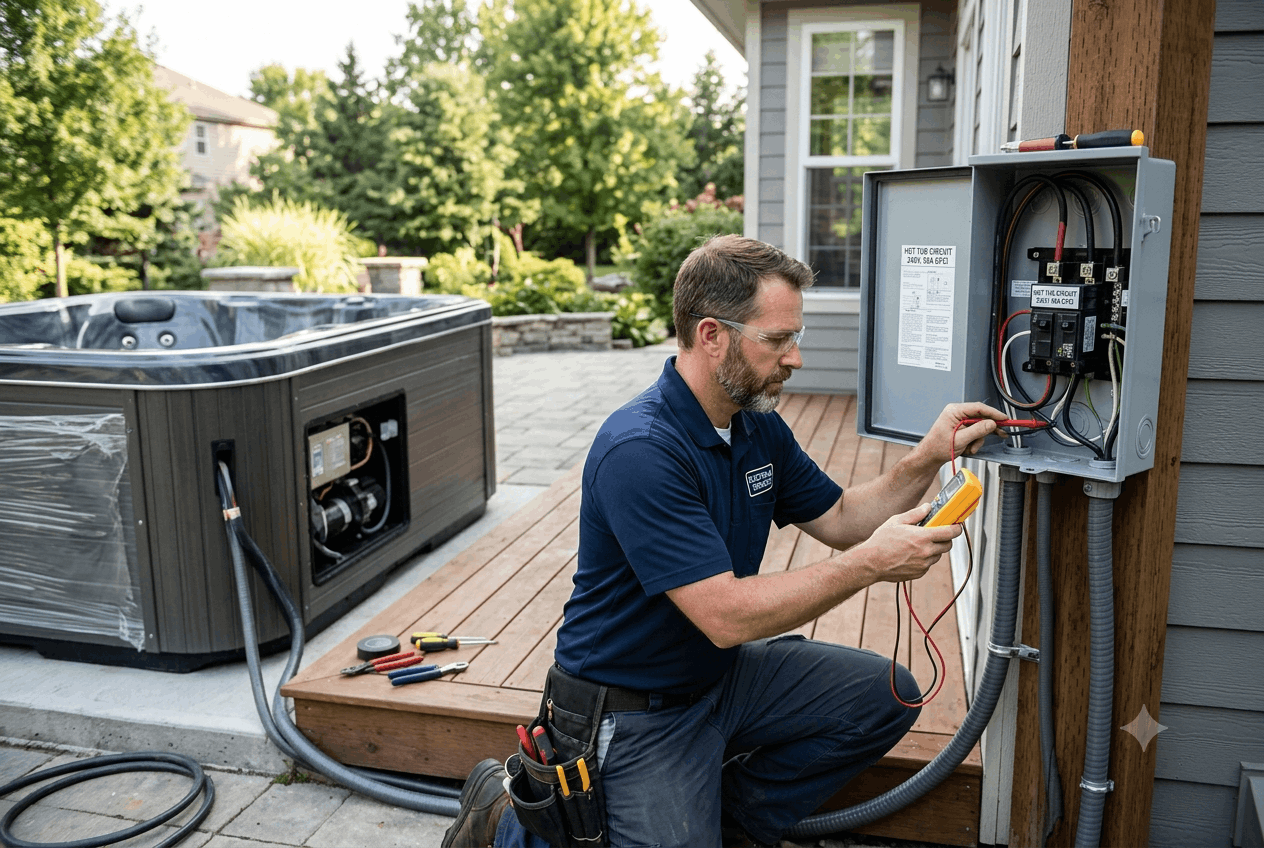
Line voltage systems, while requiring more infrastructure work, are quite effective for large-scale illumination. They however need proper conduit, weather-rated boxes, and licensed electricians with experience in 120V outdoor lighting installations. While upfront installation may cost more, the fewer transformers and broader fixture options balance out the long-term considerations.
Safety remains a priority regardless of voltage. Line voltage poses greater hazards if cables are exposed, damaged, or improperly grounded. Low voltage may seem safer, but poorly installed transformers or overloaded systems can still pose risks.
Voltage levels impact how far and how bright an outdoor lighting system can perform. Line voltage delivers higher lumen outputs, making it ideal for wide-area coverage and installations that require visibility from a distance. Outdoor lighting that prioritizes brightness—such as security lights or floodlights—performs better with line voltage.
Low voltage fixtures produce a softer glow, offering targeted lighting that adds atmosphere rather than overpowering brightness. This type is suitable for highlighting landscaping features, steps, garden edges, and architectural details.
Voltage selection should not be decided based on assumptions or budget alone. A proper assessment of terrain, lighting goals, and safety requirements is necessary before finalizing a system. Experienced outdoor lighting companies understand how to strike a balance between lighting performance, energy consumption, and long-term flexibility. Their input is instrumental when mixing both voltage types on a property or incorporating specialized lighting such as timers, sensors, or smart controls.
Professional electricians trained in landscape lighting installation also consider code compliance, weatherproofing requirements, and transformer positioning, even when working with low-voltage systems. For line voltage, certified wiring, and inspection processes are required to meet provincial regulations and avoid safety liabilities. Improper installation not only risks property damage but also creates obstacles for future upgrades or repairs.
Voltage choice is not simply a technical preference—it defines the way a property is lit, how safe the system operates, and how easily it can adapt over time. Line voltage works for large-scale illumination and public-facing spaces. Low voltage remains the practical choice for decorative and functional accent lighting in residential zones.
For questions about safe and compliant outdoor lighting installation, contact Canadian Wire Wizards for an expert assessment.