...

Installing a hot tub can be a great addition to any home, providing a space for relaxation and stress relief. However, installing a hot tub is more complex than placing it in the backyard and filling it with water. Hot tub electrical installation involves intricate wiring, grounding, and safety measures that must be addressed. This leads to an important decision: should the installation be done as a DIY project, or should a professional hot tub electrician be hired to handle the work?

This blog will break down the key differences between DIY and professional hot tub electrical installation, highlighting each approach’s risks, benefits, and considerations.

Understanding Hot Tub Electrical Installation Requirements

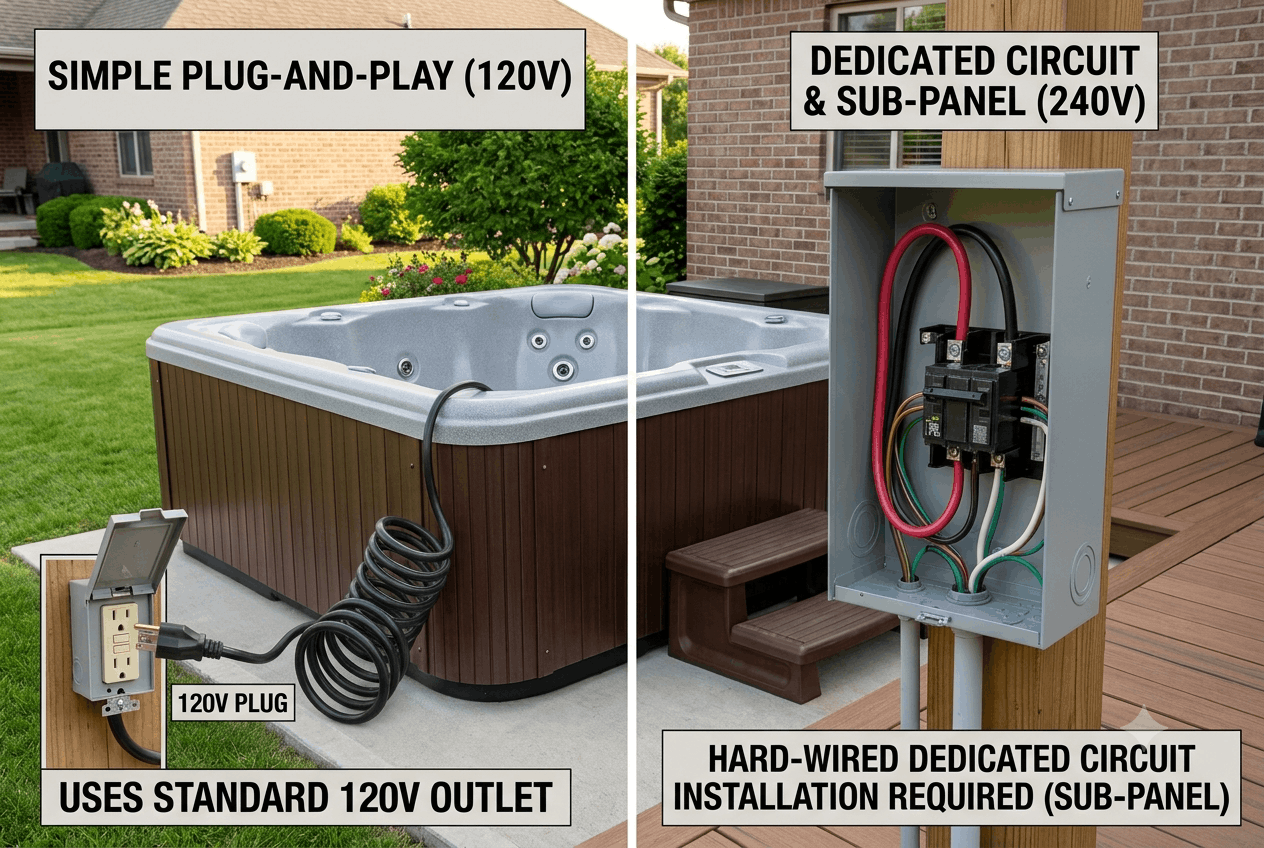
A hot tub isn’t just an ordinary electrical device. It demands specific wiring setups, including grounding, using a GFCI (Ground Fault Circuit Interrupter), and ensuring that the electrical system can handle a hot tub’s load. Beyond simply plugging the unit into an outlet, a proper hot tub wiring installation involves:

  • Dedicated circuits
  • GFCI breakers to prevent electrocution
  • Sufficient amperage for the hot tub model
  • Proper wiring to avoid overloading the system

These are just a few of the technical aspects involved, making it clear that hot tub installation requires more than basic electrical knowledge. Ensuring compliance with Canadian electrical codes is essential for safety and long-term functionality.

DIY Hot Tub Electrical Installation: Pros and Cons

Pros:

  • Cost Savings: One of the main reasons homeowners consider DIY is the potential to save money. By skipping the labor costs, the upfront installation cost can be reduced. For those with some electrical experience, this is an appealing option.
  • Personal Accomplishment: Completing a project without outside help can be rewarding. It’s satisfying to finish a home improvement project independently.

Cons:

  • High Risk of Errors: Without proper experience, DIY installers are prone to mistakes. From incorrectly installing the wiring to not correctly grounding the unit, many things can go wrong. These errors can result in performance issues or even hazardous conditions.
  • Electrical Safety Hazards: Water and electricity can be dangerous if mishandled. Faulty wiring can lead to electrocution, fires, or damage to the hot tub. Electrical work of this complexity often requires a licensed professional to ensure safety.
  • Code Violations: Hot tubs must adhere to strict local and national electrical codes. Without a clear understanding of these regulations, a DIY installation could violate these rules, resulting in fines or the voiding of insurance policies.
  • Time and Stress: Even for those with electrical experience, a DIY project can take much longer than expected. Research, sourcing materials, and troubleshooting issues all add up, making the project time-consuming.

Professional Hot Tub Electrical Installation: Pros and Cons

Pros:

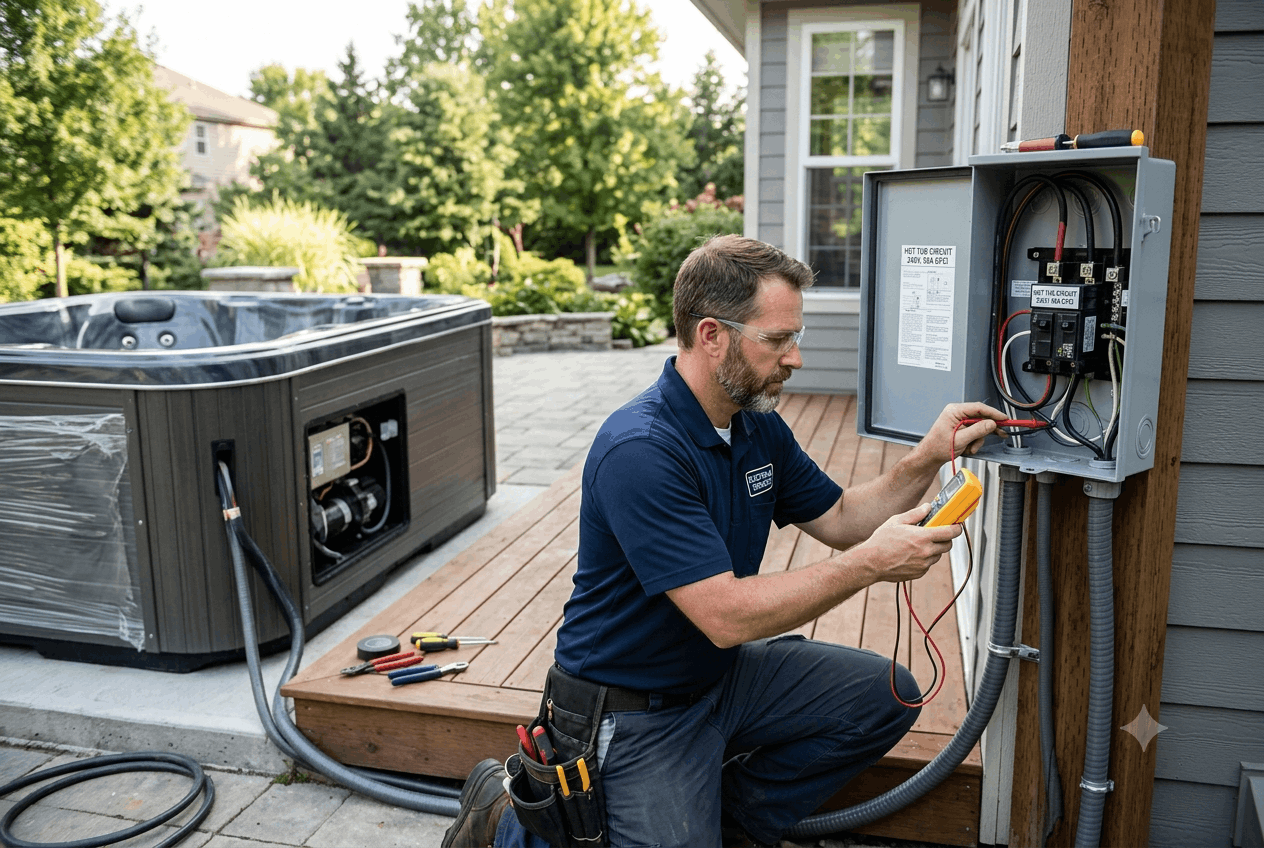
  • Safety and Compliance: Hiring a hot tub electrician ensures that the installation complies with all relevant safety codes and regulations. This is particularly important in a setup where water and electricity interact.
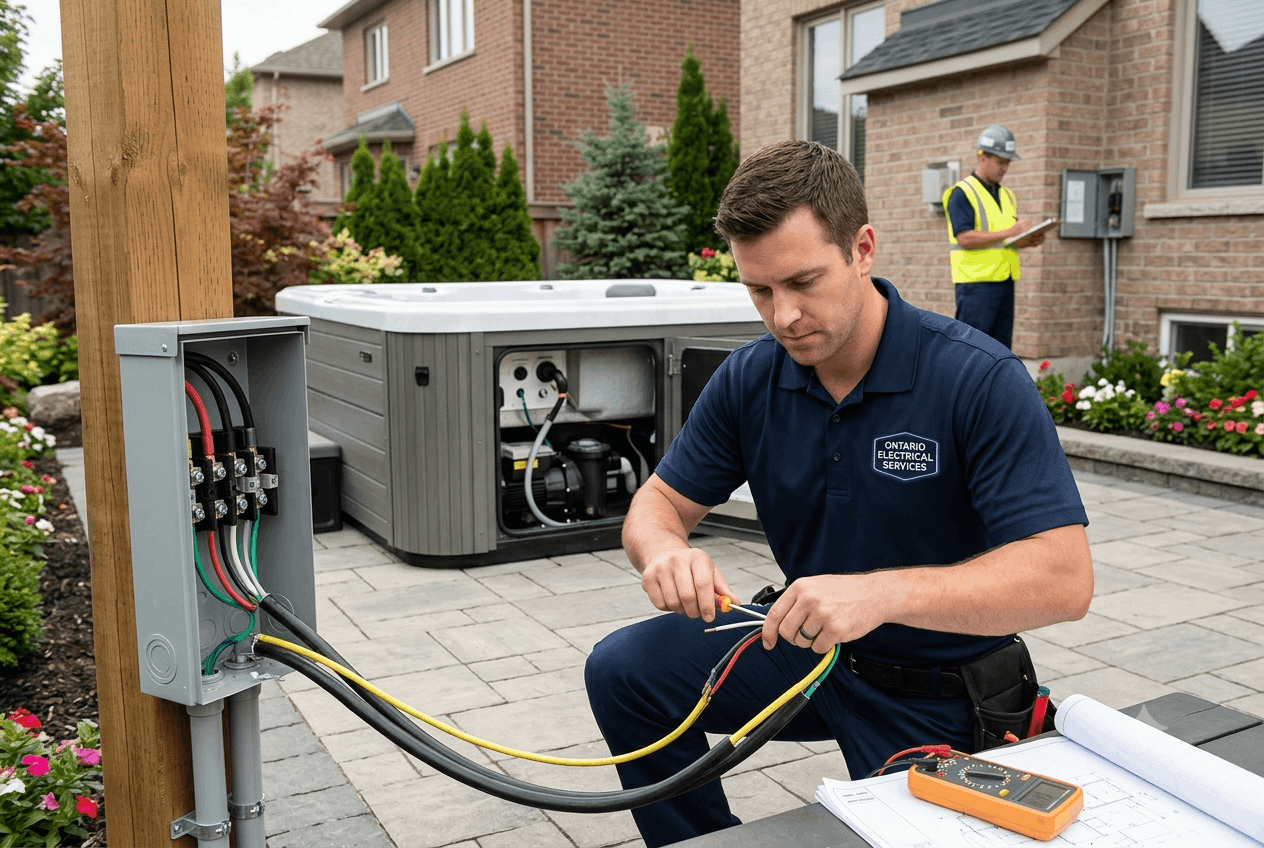
  • Experienced Installers: A professional hot tub wiring electrician brings extensive experience to the job, which helps prevent common issues such as incorrect breaker sizing, improper grounding, or faulty wiring.
  • Time-Saving: Professional installations are completed efficiently. By letting trained professionals handle the work, homeowners can avoid the time-consuming nature of DIY.
  • Warranties and Support: Professional services often come with labor warranties, offering peace of mind if any issues arise post-installation. Additionally, ongoing support or maintenance is typically available.

Cons:

  • Cost: In most cases, professional installation will cost more than a DIY job. While this is seen as a downside, the extra cost often pays off in terms of safety and long-term reliability.

Key Differences Between DIY and Professional Installations

Skill Level
DIY installation requires technical knowledge of electrical systems. Many homeowners need more expertise to handle wiring for a hot tub, which can lead to mistakes. On the other hand, a professional electrician knows the ins and outs of electrical systems and how to ensure the job is done correctly the first time.

Time and Effort
A DIY project can take several days or even weeks, depending on the complexity of the installation and the homeowner’s experience. On the other hand, professionals complete the installation quickly, allowing homeowners to enjoy their hot tubs sooner without the headache of troubleshooting issues.

Safety
Hot tubs are large electrical devices, and installation errors can result in dangerous conditions. Professionals understand the electrical requirements and the local building codes, ensuring the installation is safe and compliant.

Long-term Reliability
A hot tub that is improperly installed may function for a while, but over time, issues like faulty wiring or insufficient electrical support can lead to breakdowns or worse. Hiring a professional ensures the installation lasts the hot tub’s lifetime without needing costly repairs later.

5. Why Hiring a Professional Hot Tub Electrician is Worth It

There are several reasons why professional hot tub wiring installation is worth the investment. Safety should always be the top priority when dealing with electrical installations. A licensed hot tub wiring electrician ensures all necessary precautions are taken, reducing the risk of electrical fires or other dangerous situations.

In addition, professionals provide customized solutions tailored to your specific hot tub model. They assess the electrical requirements and ensure everything is set up correctly, including grounding and breaker sizing. This eliminates the need for guesswork and ensures that everything runs smoothly from the start.

Hiring a professional also helps avoid costly mistakes. DIY projects often require troubleshooting and fixing issues that arise from improper installation. A licensed hot tub electrician gets it right the first time, saving money and avoiding unnecessary repairs down the road.

6. Final Thoughts: Which Option is Right?

Choosing between DIY and professional installation depends on individual circumstances. DIY is a feasible option for homeowners with significant electrical experience and a willingness to invest time. However, considering the safety risks, potential for code violations, and long-term reliability, opting for a professional electrician hot tub installation is often the better choice.

At Canadian Wire Wizards, the focus is on delivering quality installations that prioritize safety, efficiency, and peace of mind. With a team of licensed electricians, the installation is done right the first time, ensuring long-term satisfaction and compliance with all relevant safety codes. Contact us today to schedule your hot tub electrical installation and enjoy a safe, seamless experience.

Author

Demetrois Alafogiannis

Demetrois Alafogiannis is an experienced electrical professional and entrepreneur with over 20 years of hands-on experience in residential and commercial electrical services. He is the President and Lead Electrician at Canadian Wire Wizards Inc., a Toronto-based electrical services company known for quality workmanship, safety, and ... Read More

Aluminum Wiring Replacement and Pigtailing: What Homeowners Need to Know
Many homes built between the 1960s and late 1970s in Ontario still contain aluminum wiring. While it was commonly used at the time, today it requires careful evaluation due to aging connections and
What It Takes to Replace Knob and Tube Wiring in Toronto Homes
Knob and tube wiring is still found in many older Toronto homes, especially those built before the 1950s. While it was considered safe when originally installed, it no longer meets the demands of
A Complete Guide to Electrical Installation Services for Modern Homes
Electrical systems are the foundation of how modern homes function. From powering appliances and lighting to supporting smart technology and EV charging, every system depends on proper wiring and
Top Residential EV Charger Installers in East York
Electric vehicle adoption is accelerating across East York, with more homeowners investing in home charging systems for convenience and long-term savings. As demand grows, many property owners begin
Best Companies for EV Charger Installation at Home in Toronto
Electric vehicle ownership is increasing rapidly across Toronto, and home charging has become a practical necessity for many homeowners. Installing a charger at home offers convenience, faster
Licensed Electricians for Knob and Tube Rewiring Services
Older homes across Ontario often contain legacy electrical systems that no longer meet modern safety and performance standards. One of the most common examples is knob and tube wiring, which was

What Our Customers Says

-->