Get a Quote
Drop Us A Line

Across Toronto, North York, Mississauga, and the wider Greater Toronto Area, trusted electricians for electric car charger installation include more than just wall-mount work. Service capacity, winter exposure, outdoor disconnect placement, and municipal inspection practice all shape charger reliability.
For buyers managing older homes or mixed-use sites, local code fluency and disciplined load review prevent rework and protect future expansion. That is where experienced regional contractors separate a fast install from a durable electrical upgrade.
Ontario demand has moved into routine upgrade planning for homes in Scarborough and laneway garages in Toronto. Trusted electricians are now evaluated alongside panel work, parking layout, and seasonal cable exposure.
Provincial registration growth continues, and field demand shows up first where owners outgrow slow-charging outlets. Industry comparisons consistently point to materially lower operating costs with home charging than gasoline fueling, but only when breaker size, conductor choice, and charger placement fit the vehicle’s daily cycle. In Richmond Hill and Ajax, a common path starts with a basic receptacle, then shifts to hardwired equipment once winter recovery time becomes the real constraint for commuting or service use.
Unlicensed upgrades fail at invisible points, loose terminations, incorrect bonding, poor weather sealing, or a breaker that looks acceptable but is not rated for continuous duty. A charger is not a DIY receptacle swap, and Electrical Safety Authority guidance keeps returning to the same disciplines: permitted work, tested grounding, and verified final inspection. A detached garage in East York can require feeder review, trench planning, and outdoor protection that a shortcut quote simply ignores. The later correction costs are usually far higher than the original licensed installation.
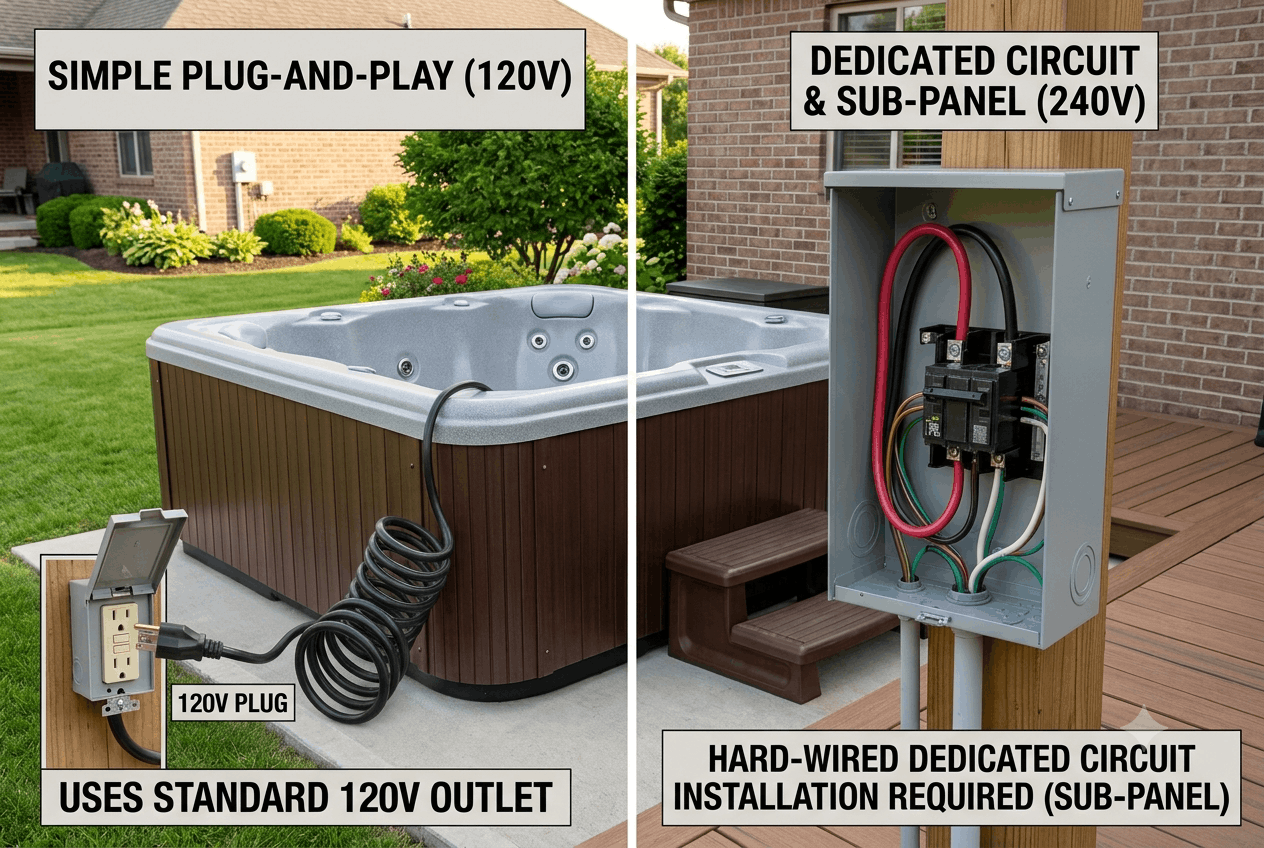
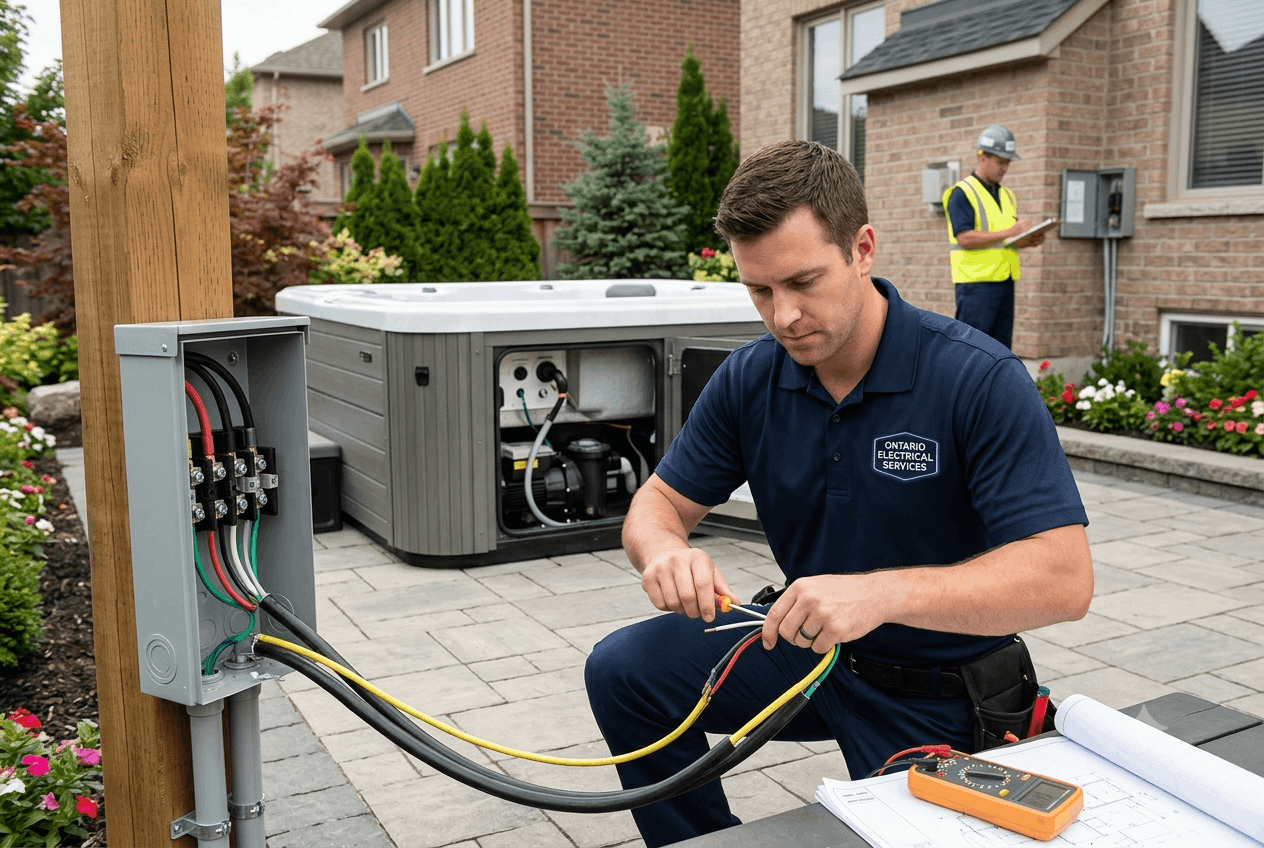
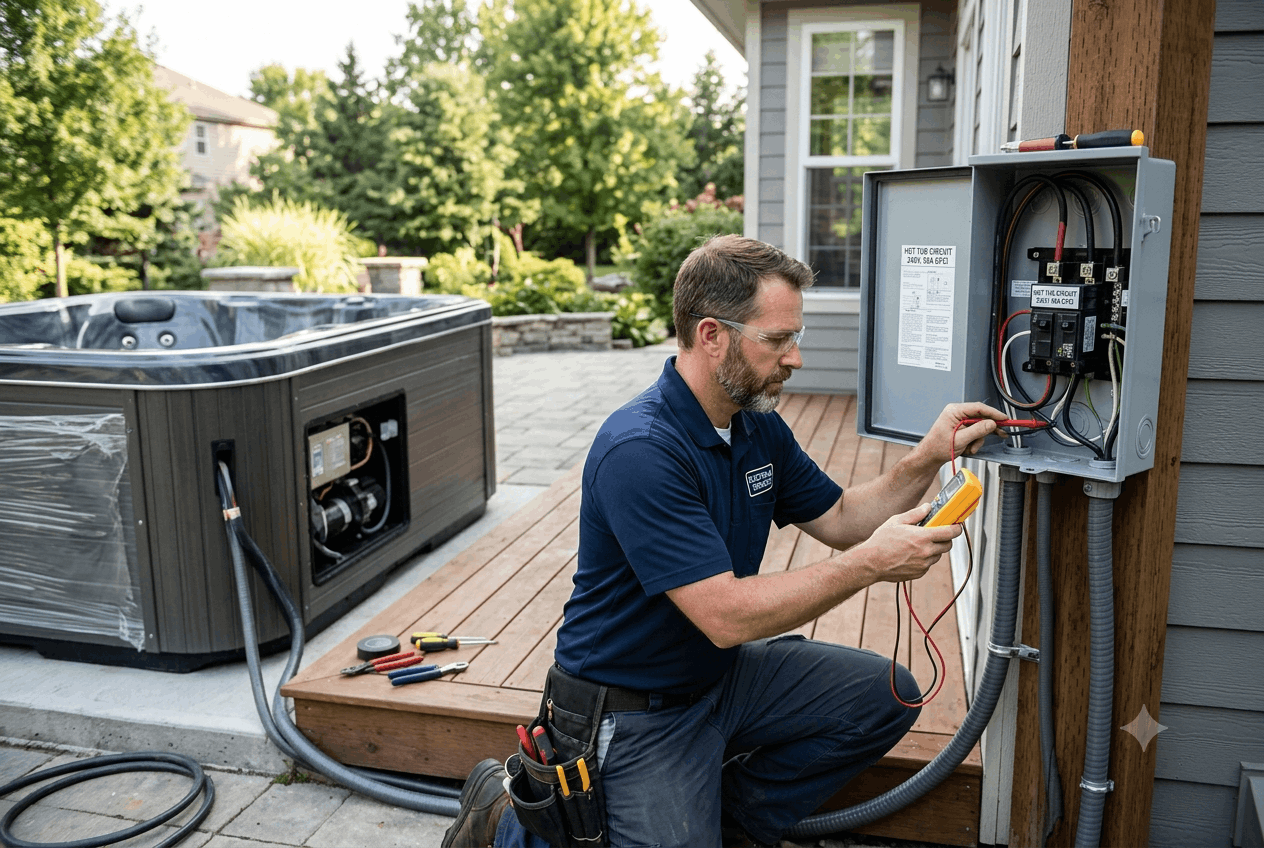
Commercial buyers in Vaughan, Markham, and Toronto are procuring capacity, documentation, and serviceability, not only a charger. At Canadian Wire Wizards, our scope includes inspections, panel upgrades, repairs, EV charger installation, lighting, hot tub wiring, aluminum wiring replacement, store and office wiring, power installations, and commercial charging stations.
Regional demand for workplace and fleet charging is shifting from pilot interest to scheduled capital work across Mississauga and Vaughan. Compliance requires accurate demand calculation, disconnect selection, protection against vehicle impact, and coordination with existing store or office wiring and lighting circuits. If a fleet yard is adding service vans, there may be a need to change the electrical supply from 120/240 volts to 480/600 volts, rather than just adding extra breakers. It’s important to schedule a site assessment with local licensed experts before ordering any hardware.
Verified licensing turns vendor review into evidence review. Industry benchmarks consistently associate certified contractors with lower callback risk because their training covers load calculations, manufacturer instructions, fault protection, and local inspection expectations that general trades often overlook. In Toronto condo retrofits and North York additions, specialized EV charger training matters because cable management, network commissioning, and weather-rated terminations must work in both winter and summer.
Permit flow changes by municipality and property type, so disciplined planning prevents redesign after equipment arrives. For procurement teams, this is where Trusted electricians for electric car charger installation separate preparation from guesswork.
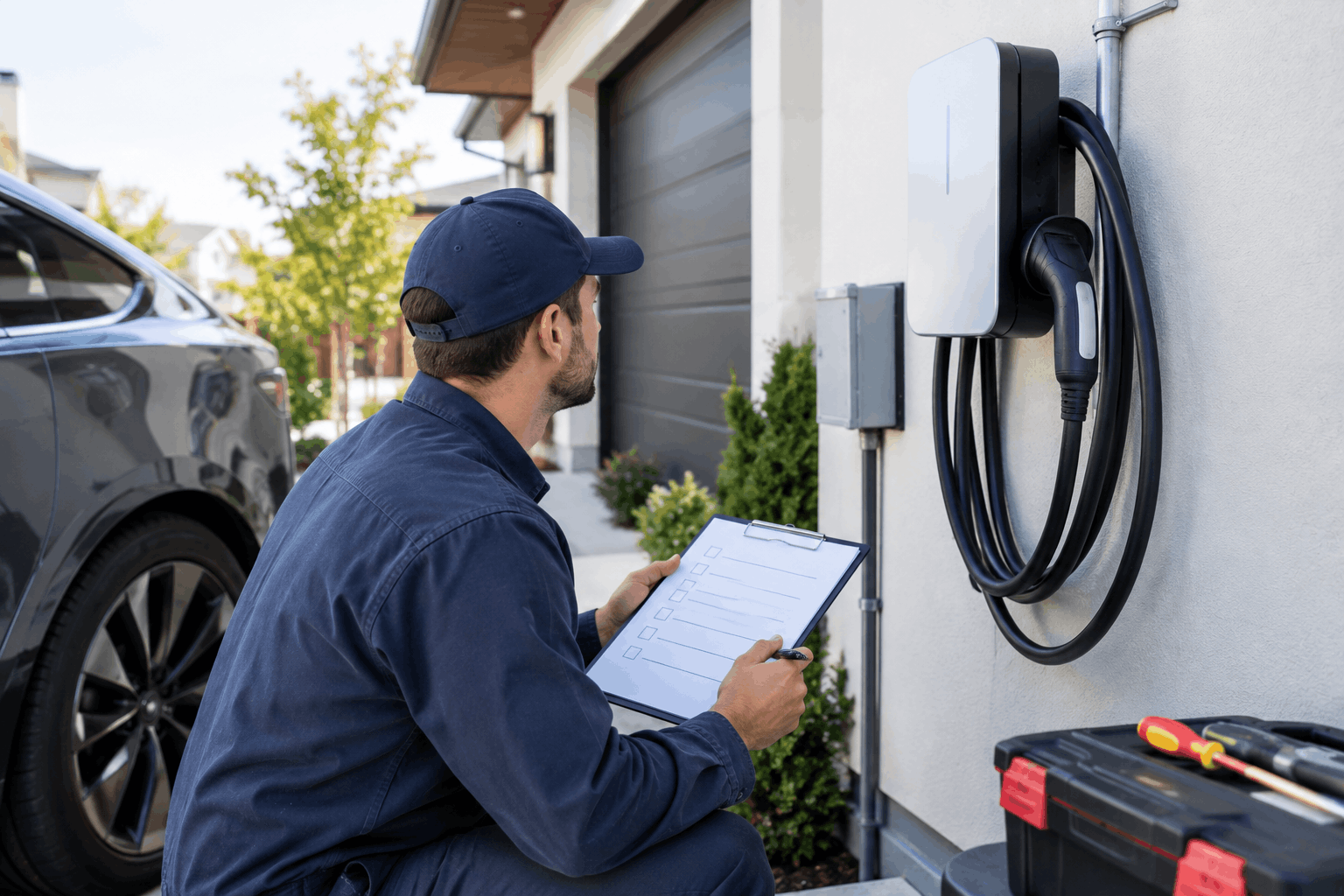
The first visit should determine whether the property can support direct charging, needs smart load management, or requires an electrical panel upgrade.
That inspection also provides the clearest cost guidance because distance, wall condition, and panel health drive most of the variation in quotes.
Permit timing varies across Toronto, Aurora, and Ajax, with detached homes usually moving faster than shared parking or mixed-use sites.
A Mississauga retail site usually passes cleanly when drawings match the installation.
Older properties across Toronto, North York, and East York rarely fail because charging is impossible. They fail because the selected solution ignores legacy constraints.
Many older homes still operate on limited service capacity, and current practice increasingly favours managed charging where peak household demand is intermittent. A load-sharing device can pause charging when the range, dryer, or hot tub is active, allowing compliant EV charging without opening walls for a full overhaul.
That is often the cleaner path for semis with finished basements or legacy branch wiring that already warrants inspection and targeted repair. Canadian Wire Wizards can also coordinate panel upgrades, balanced aluminum wiring replacement where appropriate, and knob and tube wiring replacement during broader renovation work.
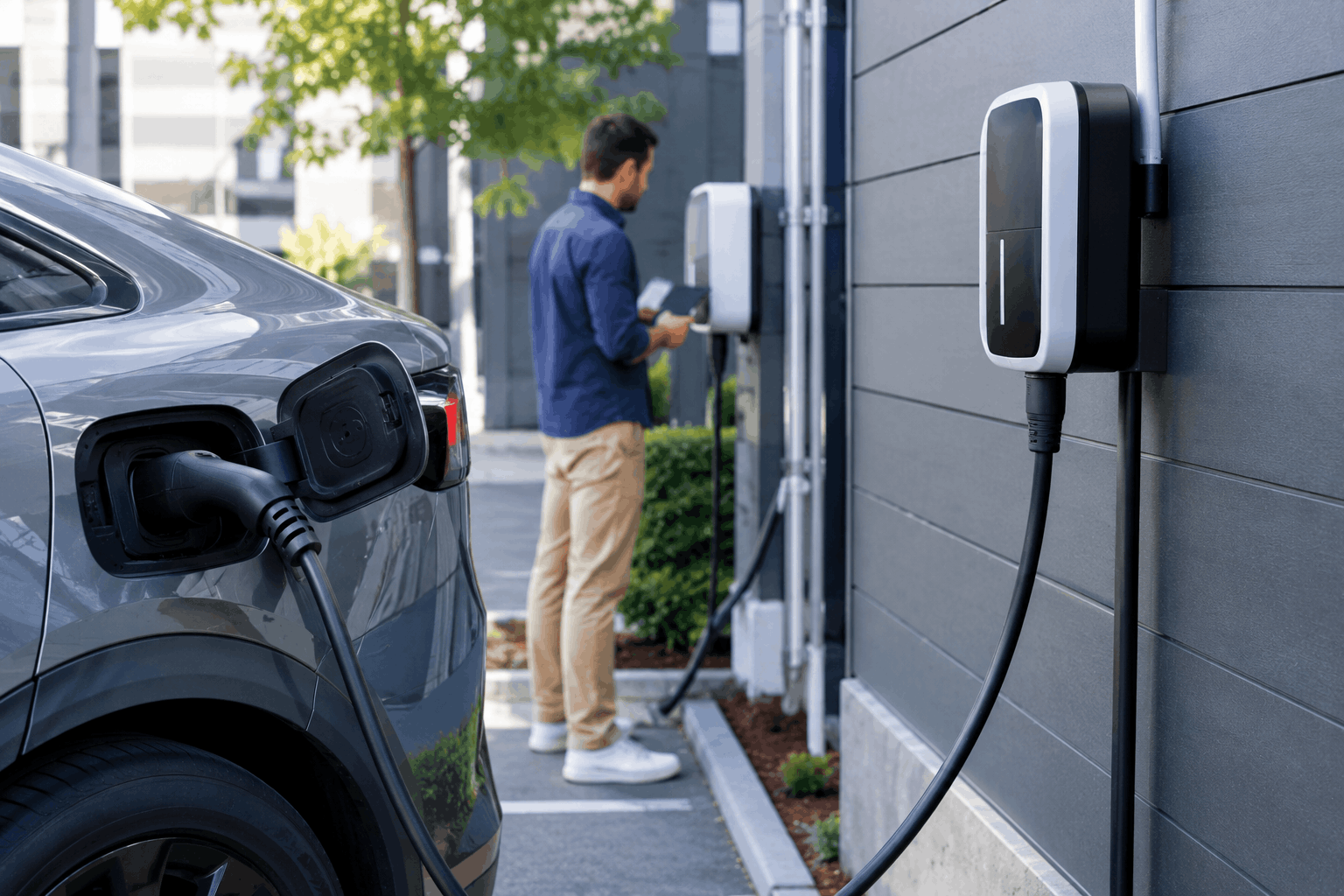
Hardware choice should reflect the connector standard, cable flexibility in cold weather, software behaviour, and whether the site serves a single brand or multiple brands. Proprietary units can suit a single-brand household seeking deeper app integration, but universal chargers are usually better for workplace parking or homes in Markham and Vaughan, where vehicle ownership may change. Charging speed depends on the onboard charger, circuit allocation, and load controls, so the fastest advertised unit is not automatically the fastest practical installation.
Incentives and maintenance shape total cost just as much as equipment choice. A compliant install in Scarborough or Aurora is easier to support on paper and easier to keep reliable through harsh seasons.
Provincial and utility-backed programs generally reward documented, code-compliant infrastructure rather than improvised add-ons. Savings are most realistic when permit records, approved equipment, and load calculations are assembled from the start, especially for commercial or multi-unit properties. A Vaughan property manager pursuing workplace charging may need grant language, site drawings, and utility coordination ready before purchase orders are issued. Canadian Wire Wizards helps align the technical scope with available incentives so that funding rules do not trigger a redesign later.
Outdoor-rated chargers in the GTA face salt spray, freeze-thaw stress, impact risk, connector wear, and communication faults that often appear only after commissioning. Professional maintenance extends dependable life through torque checks, seal inspections, firmware reviews, and early troubleshooting before minor defects lead to outages. For buyers responsible for Toronto driveways, Mississauga fleet yards, or Markham office parking, trusted electricians remain the safer choice for procurement. Contact Canadian Wire Wizards for certified local installation.